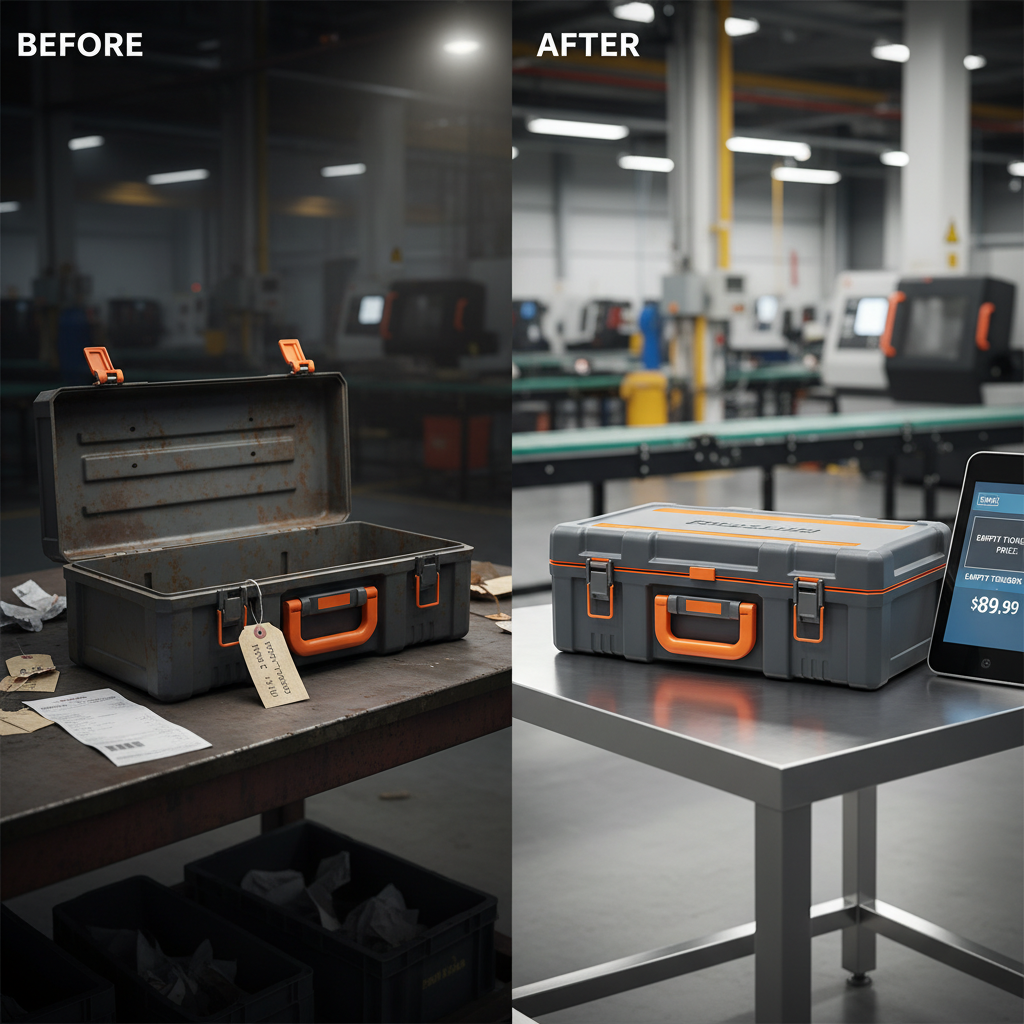
When navigating the procurement process for industrial storage, understanding the empty tool box price is more than just a matter of budgeting; it is about evaluating the long-term operational efficiency of your workspace. Whether you are a small-scale artisan or a large manufacturing plant, the cost of a containment system reflects the quality of materials, the precision of the engineering, and the durability expected under rigorous daily use.
Globally, the demand for high-quality organizational solutions has surged as industries shift toward Lean Manufacturing and 5S methodologies. A competitive empty tool box price allows companies to scale their infrastructure without compromising on the safety or accessibility of their critical equipment, ensuring that every tool has a dedicated place and every minute of labor is optimized.
In this comprehensive guide, we will dissect the variables that influence the empty tool box price, from material science to bulk manufacturing advantages. By understanding these drivers, procurement officers and business owners can make informed decisions that balance upfront expenditure with the total cost of ownership over the product's lifecycle.
Global Market Dynamics of Empty Tool Box Price
The global landscape for industrial storage is heavily influenced by the volatility of raw material costs, particularly steel and high-density polymers. When analyzing the empty tool box price, one must consider that fluctuations in the global iron ore market or petroleum prices directly impact the manufacturing cost. This creates a ripple effect, where prices in North America or Europe may vary significantly based on import tariffs and logistics costs from primary manufacturing hubs in Asia.
Furthermore, ISO standards for quality management ensure that while the empty tool box price may vary, there is a baseline of structural integrity required for industrial certifications. The challenge for many firms is finding the "sweet spot" where the cost is minimized without sacrificing the load-bearing capacity or the chemical resistance necessary for harsh factory environments.
Material Science and Cost Correlation
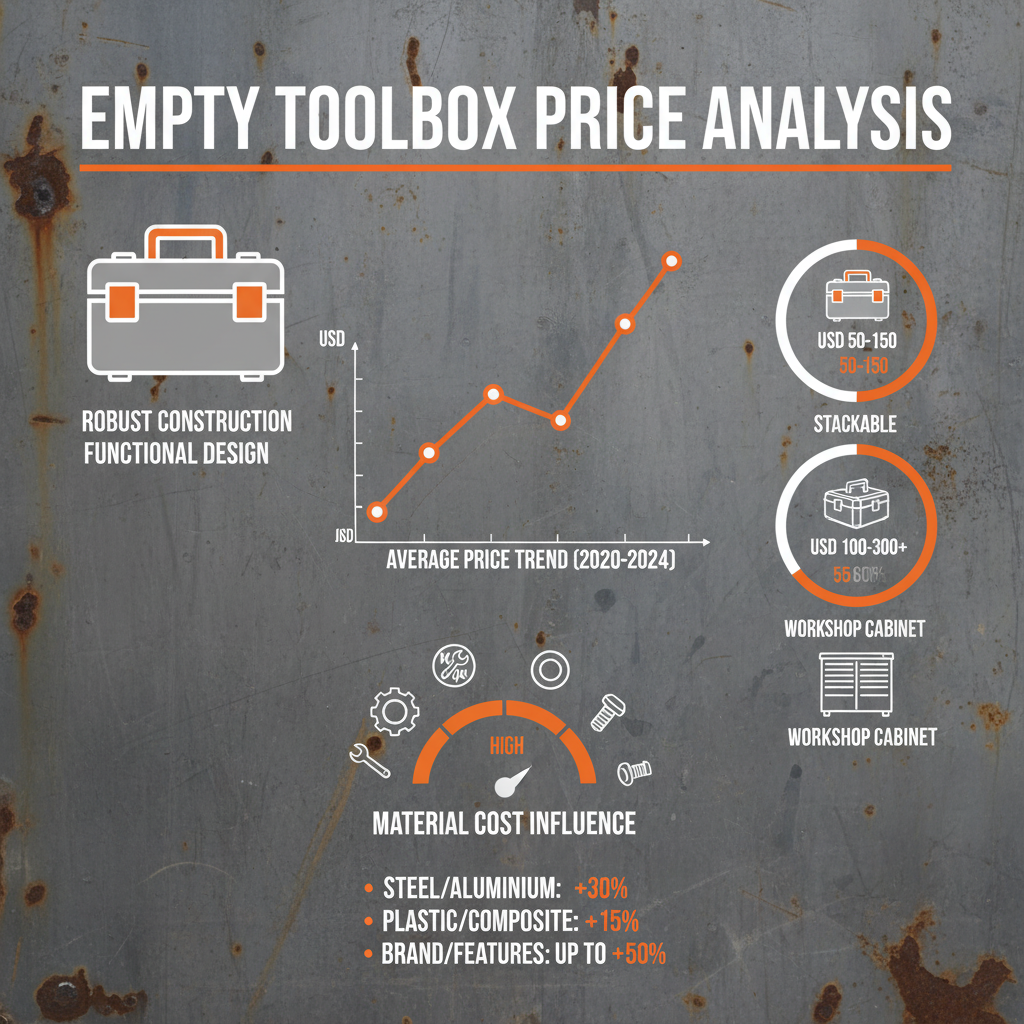
The primary driver of any empty tool box price is the choice of material. Heavy-duty cold-rolled steel offers unparalleled durability and security, making it the gold standard for workshops, but it carries a higher price tag due to the weight of the material and the need for anti-corrosion powder coating. In contrast, injection-molded plastics and reinforced polymers provide a lightweight, rust-proof alternative that typically lowers the entry price.
Beyond the base material, the gauge of the metal—the thickness of the steel walls—plays a critical role. A 16-gauge steel box will naturally have a higher empty tool box price than an 18-gauge version, yet it provides the rigidity needed to prevent bowing under the weight of heavy power tools. For the professional user, this marginal increase in cost is an investment in the longevity of the unit.
Lastly, we must consider the hardware. The cost of high-quality ball-bearing slides for drawers, reinforced hinges, and secure locking mechanisms can add a significant percentage to the total. When comparing prices, it is essential to look beyond the shell; a low empty tool box price often signals a compromise in these moving parts, which are the first components to fail in a high-use environment.
Determining the Ideal Budget for Tool Storage
Calculating the right empty tool box price for your specific needs requires a cost-benefit analysis of your intended usage. For occasional home use, a budget-friendly polymer kit is often sufficient, whereas a commercial setting demands a professional-grade steel system to prevent tool loss and damage.
When assessing the empty tool box price, one should incorporate the "cost per year of life." A cheap box that lasts two years is more expensive in the long run than a premium box that lasts twenty. This perspective shifts the focus from initial expenditure to long-term asset management.
Ultimately, the value proposition of a specific empty tool box price is found in the organization it provides. By reducing the time spent searching for tools—a phenomenon known as "search waste" in Lean methodology—the box pays for itself through increased productivity and reduced technician frustration.
Comparative Analysis of Pricing Tiers
The market for tool storage is generally divided into three tiers: Entry-Level, Professional, and Industrial. The entry-level empty tool box price is typically low, focusing on portability and basic containment. Professional tiers introduce modularity and better materials, while the industrial tier focuses on extreme load capacities and specialized security features.
To better visualize how these tiers differ in terms of value and performance, we have analyzed the ratings based on durability, capacity, and cost-efficiency. This allows buyers to see where the empty tool box price aligns with the actual utility delivered.
Empty Tool Box Price Value Comparison by Tier
Industrial Applications and Customization Value
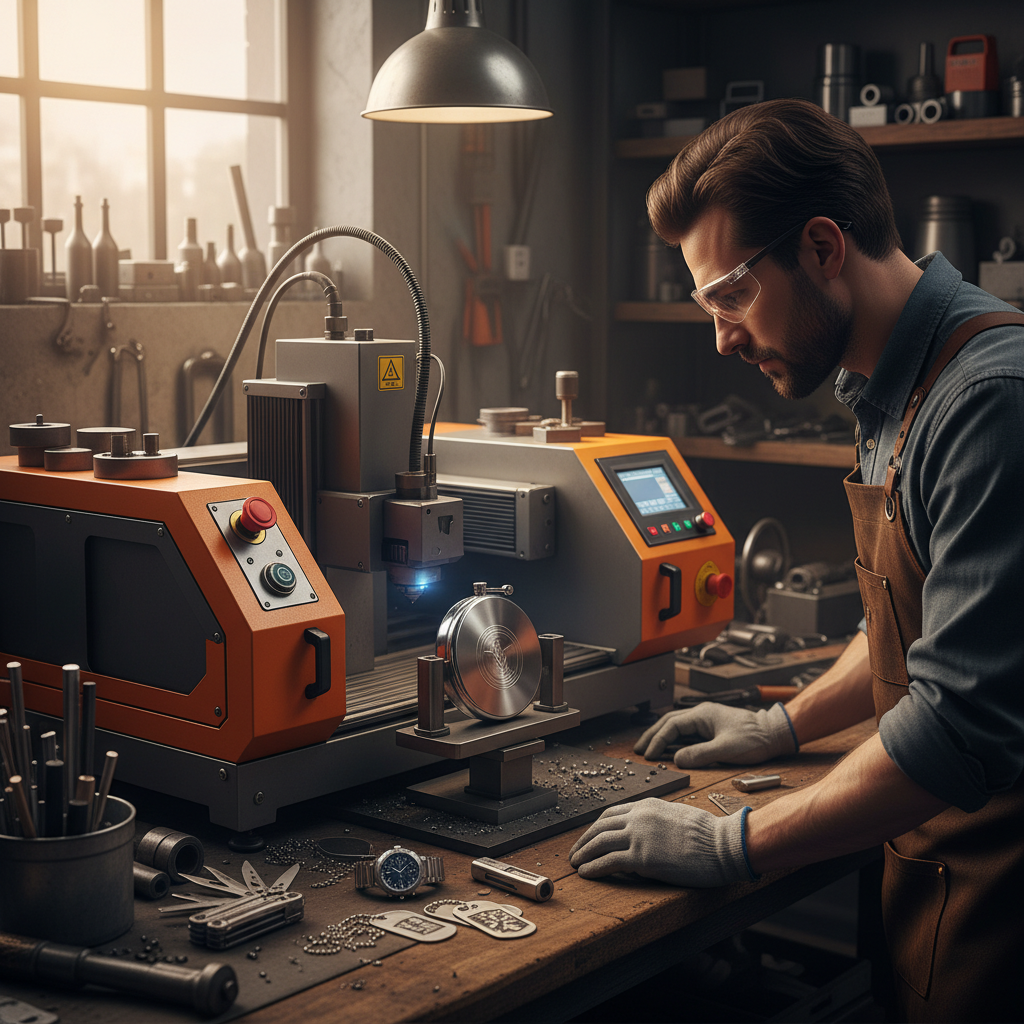
In the realm of corporate merchandise and professional gifting, the empty tool box price is often modified by customization options. Adding a company logo via laser etching or high-durability screen printing transforms a simple storage unit into a powerful brand ambassador. For many corporations, the value of the brand exposure outweighs the slight increase in the unit price.
Moreover, custom-tailored internal configurations—such as foam inserts cut to the exact dimensions of specific tools—can significantly raise the empty tool box price. However, this "shadow boarding" approach ensures that missing tools are noticed immediately, reducing loss and increasing safety in high-stakes environments like aviation or medical engineering.
Long-term ROI and Sustainability
When evaluating the empty tool box price, sustainability is becoming a primary metric. Modern manufacturers are integrating recycled steel and biodegradable polymers into their production lines. While these "green" materials may initially carry a premium price, they often align with corporate ESG (Environmental, Social, and Governance) goals, providing a non-monetary return on investment.
The reliability of a high-end box also contributes to a more sustainable ecosystem by reducing the frequency of replacement. A low empty tool box price often hides a "disposable" design philosophy. By investing in a modular system that can be repaired or expanded, companies reduce their overall landfill contribution.
Finally, the psychological impact on employees cannot be ignored. Providing workers with high-quality, organized tool storage demonstrates a commitment to their professionalism and safety. This boost in morale and the subsequent increase in efficiency often far exceed the initial empty tool box price.
Future Innovations in Tool Storage Pricing
The future of the empty tool box price will be shaped by the integration of "Smart Storage" technologies. We are seeing the emergence of RFID-tagged toolboxes that can automatically inventory their contents. While this technology significantly increases the price point, the ability to track expensive assets in real-time offers an insurance-like value to large-scale operations.
Additionally, 3D printing and additive manufacturing are allowing for "on-demand" customization. This means that a custom empty tool box price may actually decrease over time as the need for expensive molds is replaced by precision printing, allowing for bespoke sizes without the traditional setup costs.
As we move toward a more digital industrial era, the focus will shift from the physical shell to the integrated ecosystem. The value will no longer be just in the steel and plastic, but in the data and efficiency the storage system provides.
Analysis of Tool Box Material and Price Factors
| Material Type |
Durability Score (1-10) |
Price Impact |
Primary Use Case |
| Polypropylene |
5 |
Low |
Home DIY / Light Duty |
| Mild Steel |
7 |
Moderate |
General Workshop |
| Cold-Rolled Steel |
9 |
High |
Professional Mechanic |
| Aluminum Alloy |
8 |
Premium |
Field Service / Aviation |
| Reinforced Composite |
8 |
Moderate-High |
Chemical/Marine Environments |
| Custom Alloy/Hybrid |
10 |
Very High |
Specialized Heavy Industry |
FAQS
Professional-grade steel toolboxes typically range from $200 to $1,500 depending on the size, drawer count, and gauge of the steel. Factors such as ball-bearing slides and locking mechanisms significantly influence the final cost. For bulk corporate orders, these prices often decrease by 15-30%.
Not necessarily, but often. A lower price may simply reflect a different material (e.g., plastic instead of steel) or a simpler design. However, if two boxes of the same material have a wide price gap, it usually indicates a difference in steel gauge or the quality of the internal hardware.
Customization, such as logo printing or custom foam inserts, typically adds 10% to 25% to the unit price. For large-scale promotional orders, the cost per unit for branding decreases, making it a cost-effective way to enhance corporate identity.
For most professional users, cold-rolled steel offers the best balance of durability and cost. While aluminum is lighter, its higher price point is only justified in environments where weight is a critical constraint, such as mobile field service.
Yes, the "hidden costs" are usually found in maintenance and replacement. Low-cost boxes often suffer from rusted hinges or sagging drawers, leading to a shorter product lifespan and higher long-term replacement costs compared to premium options.
The most effective way to reduce cost is through bulk procurement and optimizing the specifications. By choosing a standard size and a single color, you can leverage economies of scale. Working directly with a manufacturer like thegeniusgifts.com can also eliminate middleman markups.
Conclusion
Understanding the nuances of the empty tool box price reveals that tool storage is an investment in productivity rather than a mere expense. From the impact of material science and global market trends to the long-term ROI of durability and organization, every dollar spent on a quality containment system reduces operational friction and enhances workplace safety.
As we look toward a future of smart storage and sustainable manufacturing, the value of these systems will continue to evolve. We recommend that businesses prioritize a total cost of ownership approach, favoring quality and scalability over the lowest initial price. For premium, customizable, and high-performance storage solutions, visit our website: www.thegeniusgifts.com.