Professional Brand Growth and go custom clothing Solutions
Corporate identity often hinges on the visual consistency and perceived quality of team apparel. For businesses looking to bridge the gap between professional branding and employee comfort, specialized textile customization offers a strategic advantage. Whether it is for high-visibility labor protection uniforms or high-end promotional gifts for clients, the transition from a digital design draft to a physical garment requires a precise balance of material science and craftsmanship. By integrating tailor-made elements, organizations can foster a culture of appreciation while ensuring that their brand is represented with flawless execution across various textile substrates, from rugged synthetic blends to premium cottons.

The Strategic Engineering Behind Bespoke Apparel and Labor Protection Gear
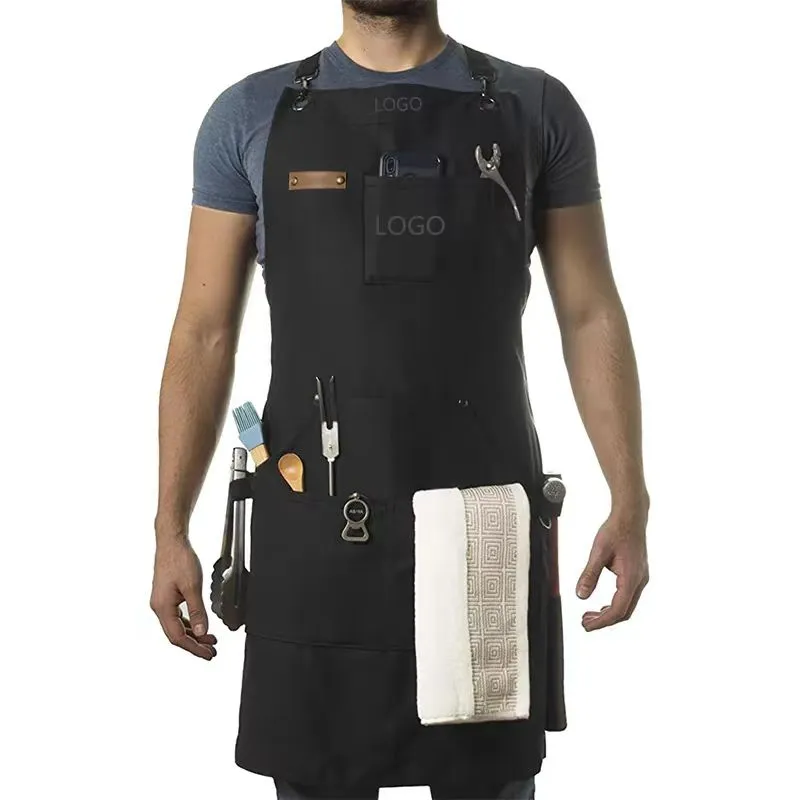
The production of customized clothing is not merely about applying a logo to a pre-made shirt; it is an engineering process that begins with a comprehensive understanding of the garment's intended environment. For labor protection uniforms and military-grade gear, the focus shifts toward functionality and safety. This involves selecting fabrics that can withstand industrial wear while maintaining breathability and ergonomic movement. The synergy between the designer's vision and the manufacturer's technical capability ensures that the final product meets both aesthetic standards and rigorous operational requirements.
A key aspect of this process is the selection of craftsmanship. Depending on the desired effect, manufacturers employ various techniques such as printing, injection molding for accessories, or specialized stitching for durability. When a company chooses to go custom clothing, they are essentially investing in a physical extension of their brand. The process involves meticulous steps: from the initial design draft and mold sampling to the final bulk production, ensuring that every seam and print aligns with the corporate identity guidelines.
- Material Synergy: Matching leather, PVC, or silicone accessories with fabric types.
- Design Refinement: Transitioning from 2D drafts to 3D physical samples for fit validation.
- Craftsmanship Integration: Utilizing baking finishes or etching for high-end promotional apparel accents.

Material Selection and Technical Craftsmanship for Brand Longevity
The longevity of a corporate gift or a staff uniform is determined by the quality of the base materials. High-quality selected materials ensure that the garment does not lose its shape or color after repeated industrial washing. In the realm of promotional gifts, the integration of mixed materials—such as metal accents on fabric bags or resin details on clothing accessories—adds a layer of perceived value that distinguishes a brand from its competitors. The goal is to create a flawless product that serves as a lasting testimony to the company's attention to detail.
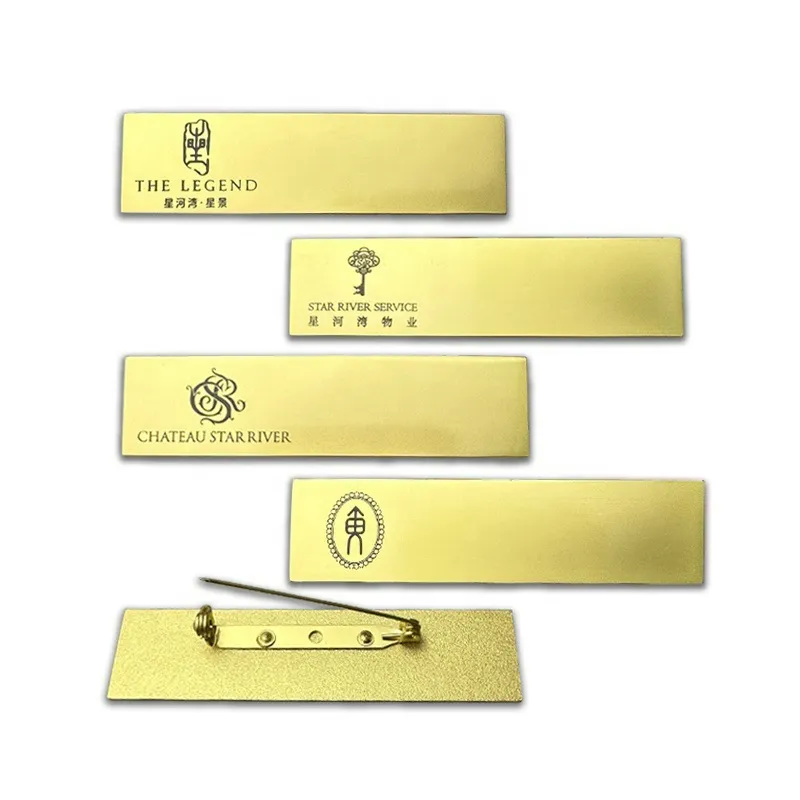
Beyond the fabric, the application of the logo and design is where technical expertise becomes critical. Techniques such as imitation enamel or epoxy are often used for the hardware attached to clothing, such as custom buttons or branded zippers. For the fabric itself, the choice between screen printing, embroidery, or sublimation depends on the complexity of the design and the material's porosity. This technical alignment ensures that the branding remains vibrant and intact, regardless of the garment's usage frequency or the harshness of the operational environment.
Application Scenarios: From Corporate Swag to Industrial Uniforms
Different occasions demand different apparel strategies. For corporate anniversaries or holiday events, the focus is on "soft branding"—items that employees actually want to wear in their personal time, such as high-quality hoodies or personalized polo shirts. These items build a culture of gratitude and internal cohesion. Conversely, in industrial settings, the priority is labor insurance and protection. Here, the clothing must adhere to safety standards while still incorporating brand elements that make the workforce easily identifiable.
Another growing trend is the "care package" approach, where customized clothing is bundled with other promotional items like electronics or home goods. This holistic gifting strategy increases the impact of the brand on the client. By providing a curated set of items, businesses can convey a unique mind and a deeper level of care. Whether it is a tailored wedding souvenir accessory or a professional tool-box companion garment, the application of personalized customization transforms a simple utility item into a meaningful brand touchpoint.
Technical Comparison of Customization Methods
| Method | Durability | Detail Complexity | Recommended Use Case |
|---|---|---|---|
| Screen Printing | Medium | Low to Medium | Bulk Promotional T-shirts |
| Embroidery | High | Medium | Corporate Polos & Blazers |
| Sublimation | High | Very High | Athletic & Performance Wear |
| Heat Transfer | Medium | High | Short-run Personalized Gifts |
| Custom Molds | Very High | High (3D) | Luxury Hardware & Accessories |
Navigating the Procurement Process for Customized Textiles
For procurement managers, the challenge lies in balancing cost, quality, and delivery speed. A common mistake is skipping the "bulk sample" phase. The transition from a mold sample to a final production run can reveal discrepancies in color matching or fabric tension. A professional manufacturer mitigates this risk by implementing a rigorous refinement process: design draft → craftsmanship selection → quoting → design refining → sample confirmation → bulk production. This structured approach ensures that the final delivery meets the 100% satisfaction goal.
Furthermore, logistical efficiency is paramount for urgent needs, such as event-based promotional clothing. Efficient processes and trusted third-party agents allow for global delivery, ensuring that employees in different countries receive their branded gear simultaneously. When evaluating a supplier, it is essential to look for those who offer comprehensive support, including 24-hour customer service and a diverse range of material options (leather, metal, PVC, silicone) to complement the textile elements of the order.
Future Trends in Personalized Corporate Apparel
The industry is moving toward "intelligent customization," where sustainable materials and 3D design integration reduce waste during the sampling phase. We are seeing a shift toward eco-friendly fabrics that do not compromise on the "flawless" finish required for luxury gifts. The integration of functional accessories—such as phone lanyards or integrated bag hangers—into the clothing design is also becoming a standard for modern corporate merchandise, blending utility with brand visibility.
As businesses strive to build stronger relationships with clients and partners, the demand for "story-driven" gifts is increasing. Instead of generic apparel, companies are opting for tailor-made pieces that commemorate specific milestones. This shift requires manufacturers to be more agile, handling smaller, highly personalized batches with the same precision as large-scale industrial orders. The future of the industry lies in this ability to scale personalization without sacrificing the quality of the craftsmanship.
Frequently Asked Questions About Custom Apparel Production
What is the typical process for ordering customized corporate clothing?
The process starts with the client providing a design draft or collaborating with a senior designer. This is followed by selecting the craftsmanship, quoting, refining and confirming the design, creating a mold sample, adjusting as needed, confirming the final bulk sample, and finally proceeding to bulk production.
Can I choose different materials for the accessories attached to the clothing?
Yes, materials can be tailored to the desired effect. Options include leather, metal, PVC, silicone, resin, and plush for various attachments and decorative elements to ensure a high-quality finish.
How do you ensure the quality of the final bulk order?
Quality is ensured through a multi-stage confirmation process. We create a mold sample for initial approval and then a final bulk sample that must be confirmed by the client before the full production run begins, ensuring every piece is flawless.
Do you offer delivery for bulk orders to international locations?
Yes, for bulk orders including custom gift boxes and swag, we utilize trusted third-party agents who can deliver customized products to employees and clients in any country worldwide.
What types of craftsmanship are available for garment logos?
We offer a wide range of techniques, including printing, imitation enamel, baking finish, epoxy, injection molding, stamping, die-casting, and etching, depending on the material and desired appearance.
How long does it take to get a response regarding a custom quote?
Our team provides 7-24 friendly customer service, and we aim to get back to all inquiries and questions within 24 hours to ensure your project stays on schedule.
Industry Standards and Technical References
- ISO Standards for Textile Quality Management
- OSHA Guidelines for Personal Protective Equipment (PPE)
- Textile World - Industrial Fabric Innovations
- World Trade Organization - Global Trade in Textiles
Investing in high-quality customized apparel is a powerful way to communicate brand values and employee appreciation. By focusing on precise material selection and a structured production workflow, businesses can ensure their corporate identity is reflected in every stitch and detail.
Related Customization Solutions