Armed Belts with MOLLE & Quick-Release - Ready to Upgrade?
A Field Insider’s Take on Armed belts in 2025
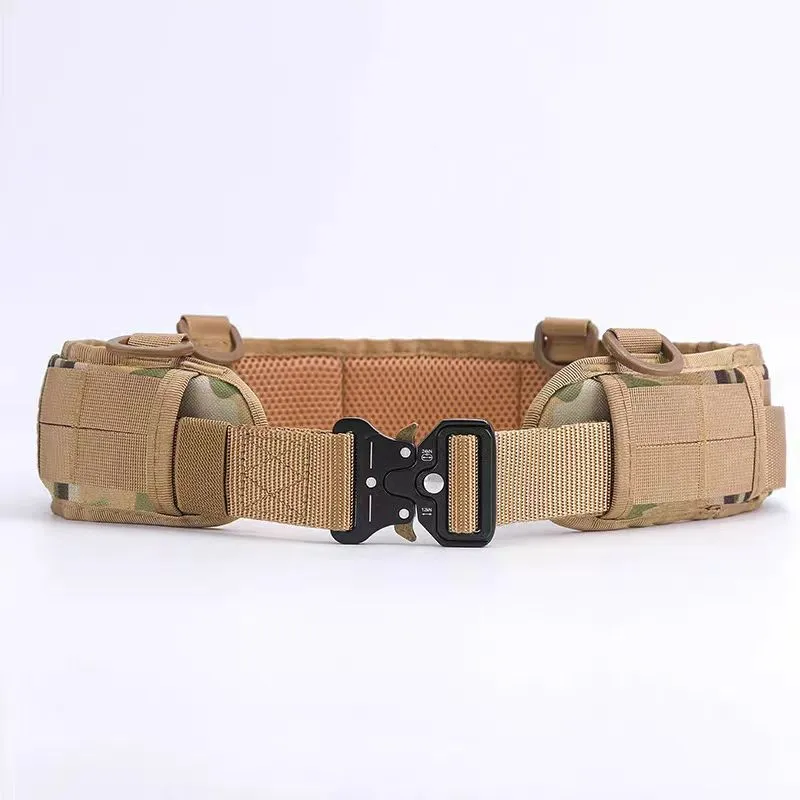
Every year I visit ranges, rescue drills, and—oddly enough—a few film sets. The same piece of kit keeps showing up: Armed belts with quick-release buckles, load-rated webbing, and zero drama during don/doff. The Wuhan-based team behind this line has been quietly supplying mission units and EDC crowds alike, and—truth be told—that blend is exactly where the market is heading.
What’s trending and why it matters
Three converging trends keep pushing Armed belts forward: EDC minimalism, rescue-informed buckle tech, and uniform durability at commuter weight. Many customers say the belts don’t “sag out” after a few months—surprisingly rare in budget options. Materials like high-tenacity nylon (and, occasionally, UHMWPE webbing) plus hard-anodized aluminum buckles are the current sweet spot for strength-to-weight.
Core specifications (typical build)
| Parameter | Spec (≈ real-world) |
|---|---|
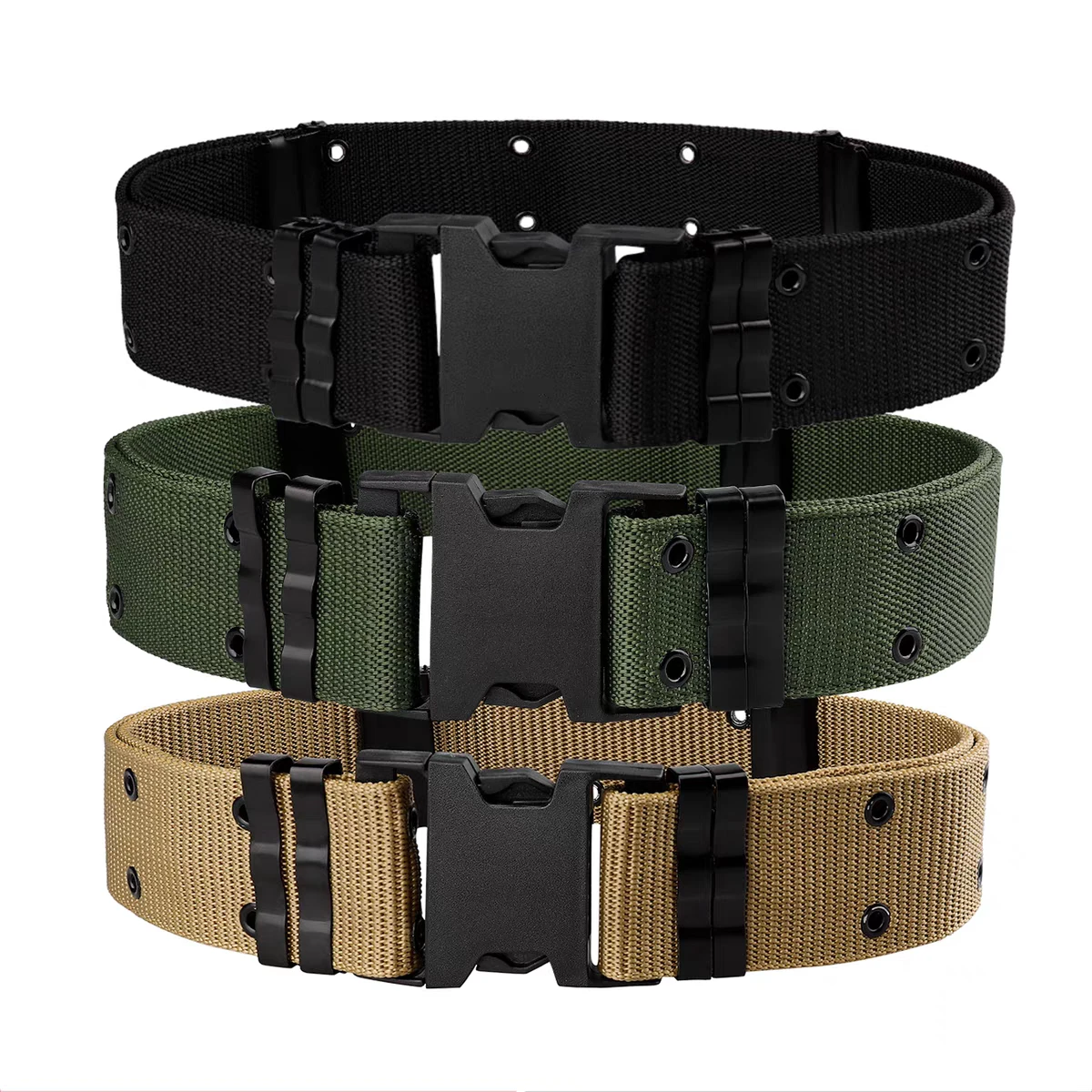
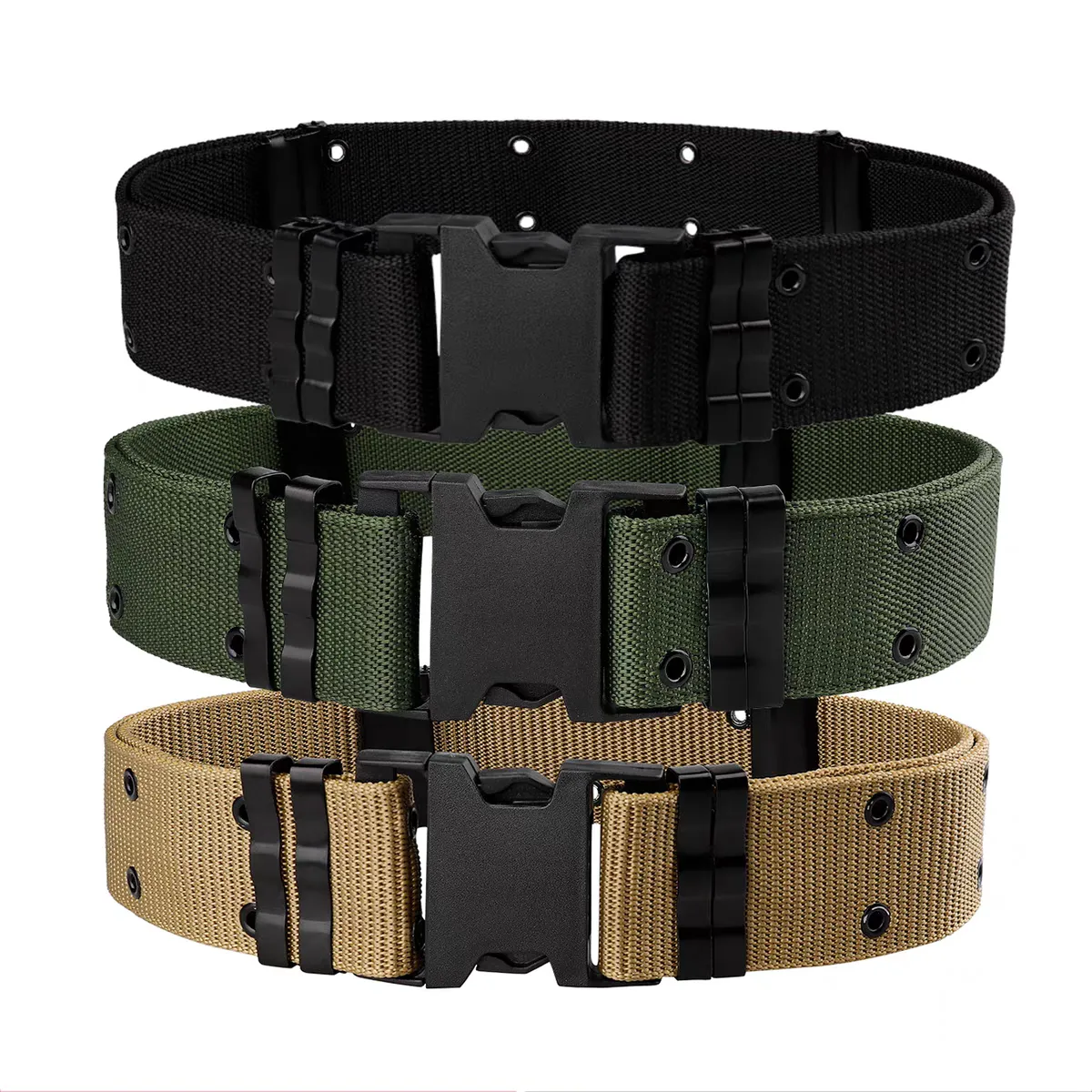
| Webbing | High-tenacity nylon 1000D; width 38–45 mm (1.5–1.75") |
| Buckle | Aluminum alloy quick-release, hard-anodized; steel pins |
| Webbing break strength | ≈ 16–20 kN (ASTM D6775 test piece) |
| Recommended working load | ≤ 1.5 kN (non–fall-arrest; see note) |
| Temp/Environment | ≈ −40°C to 60°C; salt spray 48 h no red rust (ASTM B117) |
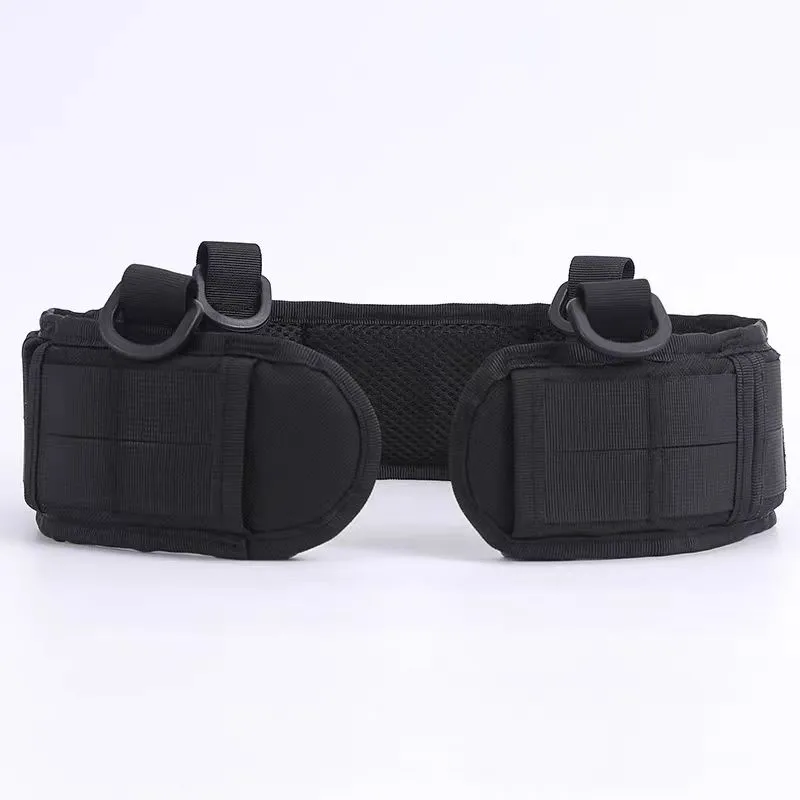
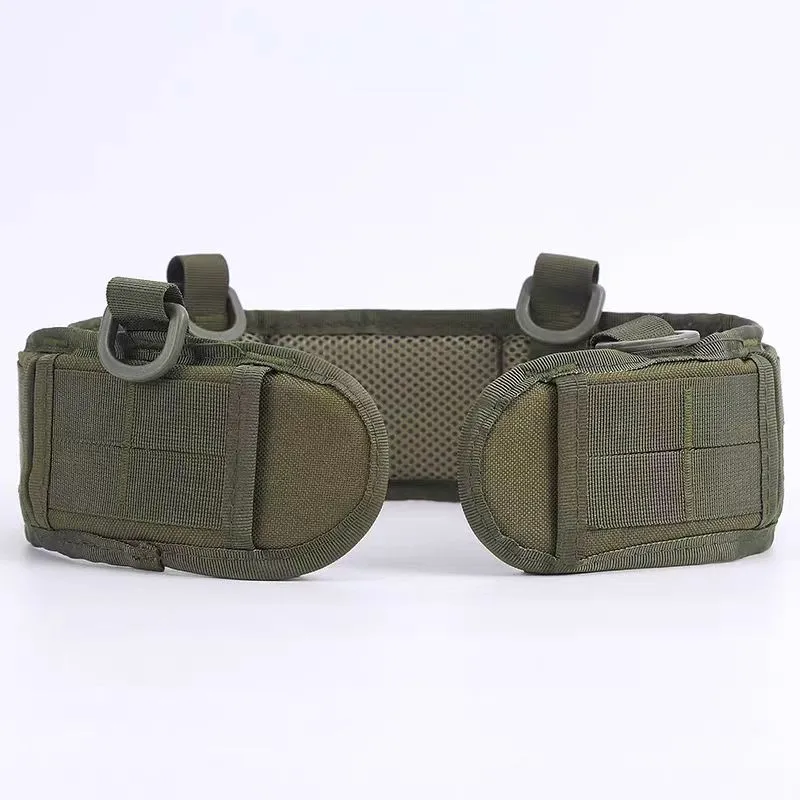
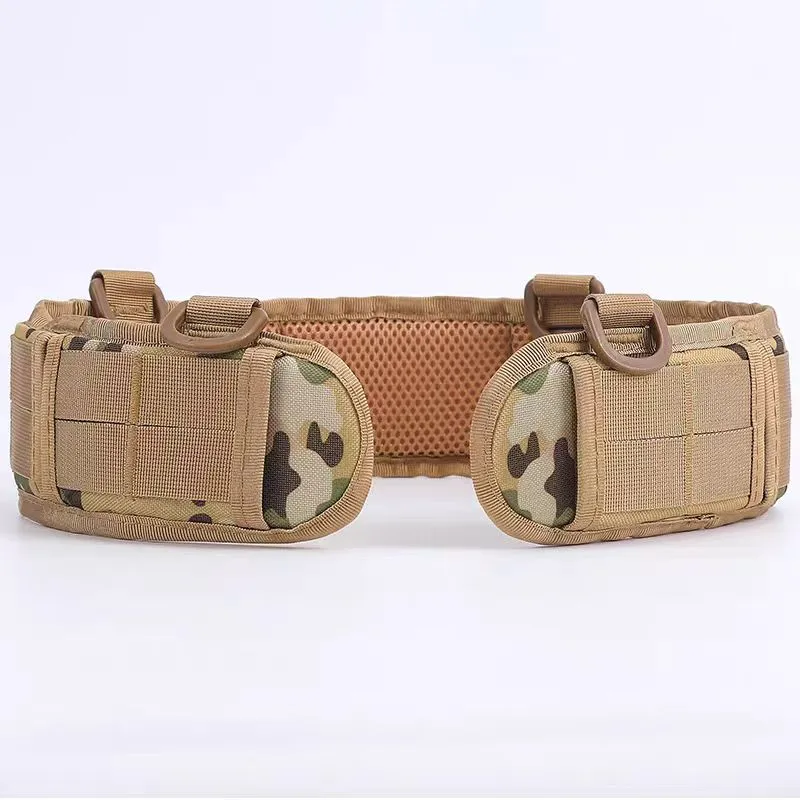
| Sizes & colors | S–XXL; black, coyote, ranger green; custom Pantone available |
Note: Not certified for fall arrest unless explicitly produced to EN 358 and labeled as such.
Applications I actually see
- Secret Service–style detail work and plainclothes units (concealed carry support).
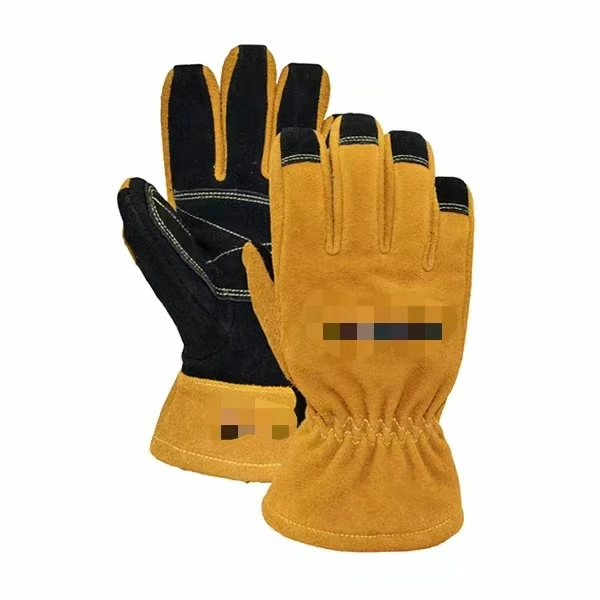
- Rescue operations—quick-release convenience for tool pouches and gloves.
- Daily commute/EDC—firm but not “duty-belt bulky.”
- Film/TV wardrobe—clean look, fast resets between takes.
How they’re made (process flow)
Materials intake → webbing weaving and dyeing → laser cutting → heat sealing edges → box‑X and bar‑tack stitching (bonded nylon thread #138) → buckle assembly → 100% QC pull test (sampled) → packaging.
Testing and standards referenced: ASTM D6775 (webbing tensile), ISO 105 (colorfastness), ASTM B117 (salt spray), and MIL‑STD‑810 style environmental checks for temperature cycling. Typical service life: ≈ 3–5 years daily use; real-world may vary with load, sweat, UV, and abrasion.
Certifications often requested: ISO 9001 QMS at factory; materials RoHS/REACH compliant on request. Again, Armed belts are not fall-arrest PPE unless produced to EN 358 and labeled accordingly.
Vendor landscape: quick comparison
| Vendor | MOQ | Lead time | Customization | Certs | Typical price |
|---|---|---|---|---|---|
| Wuhan Genius Gifts (China) | ≈ 100 | 15–25 days | Logo/IP, color, buckle, packaging; gloves co‑dev. | ISO 9001; REACH/RoHS materials | Mid-range |
| Generic Marketplace Seller | 1–10 | 7–10 days | Limited colors; no buckle changes | Varies | Low |
| Premium EU Brand | ≈ 200–300 | 30–45 days | Broad, including specialty webbing | ISO 9001; EN options | High |
Customization and a quick case study
Options include webbing width/weight, stitch patterns, buckle anodize color, laser logos, and retail packaging. Interestingly, one founder also runs a specialty apparel facility—the team can co-develop protective gloves with your exclusive IP/logo from design drafts. Handy if you’re aligning uniforms and accessories.
Case study: A regional security contractor swapped legacy belts for Armed belts across 260 staff. Reported outcomes after 6 months: 20% faster don/doff at checkpoints, fewer frayed ends, and a projected replacement cycle extended by ≈ 12 months. Feedback quote I noted: “Doesn’t roll when carrying a light and multi-tool, even after summer shifts.”
Factory/Origin: China — 3F, Building 6, 67 Chuangye Road, Zhuankou Economic and Technological Development Zone, Wuhan, Hubei, China.
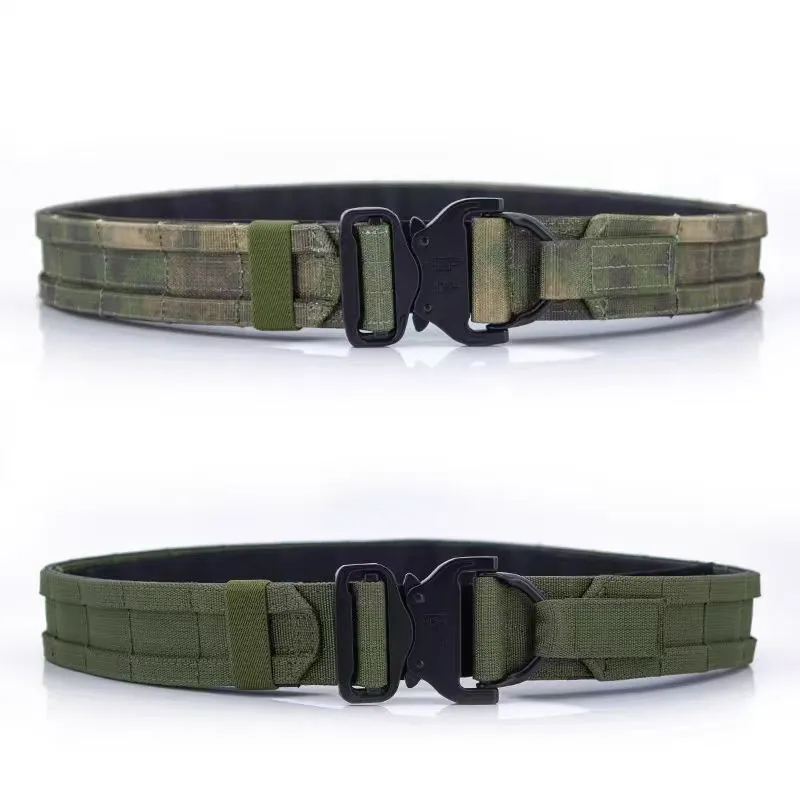
Sample test snapshot
- Webbing tensile (ASTM D6775): avg 17.6 kN; elongation at break ≈ 18%.
- Buckle static load: ≈ 9 kN; no functional damage post-test.
- Salt spray (48 h): no red rust; minor cosmetic dulling only.
Author’s note: Specs are representative; customization and real-world use may vary. Always match belt selection to your safety requirements and local regulations.
Authoritative references
- ASTM D6775 – Breaking Strength and Elongation of Textile Webbing: https://www.astm.org/d6775
- ISO 9001 Quality Management Systems overview: https://www.iso.org/iso-9001-quality-management.html
- EN 358 – Belts for work positioning and restraint: https://standards.iteh.ai/catalog/standards/cen/ee7a49a9-1ad5-4f3a-9bbd-3ab2cda1daa2/en-358
- MIL‑STD‑810 Environmental Engineering Considerations: https://www.dau.edu/faq/p/What-is-MIL-STD-810