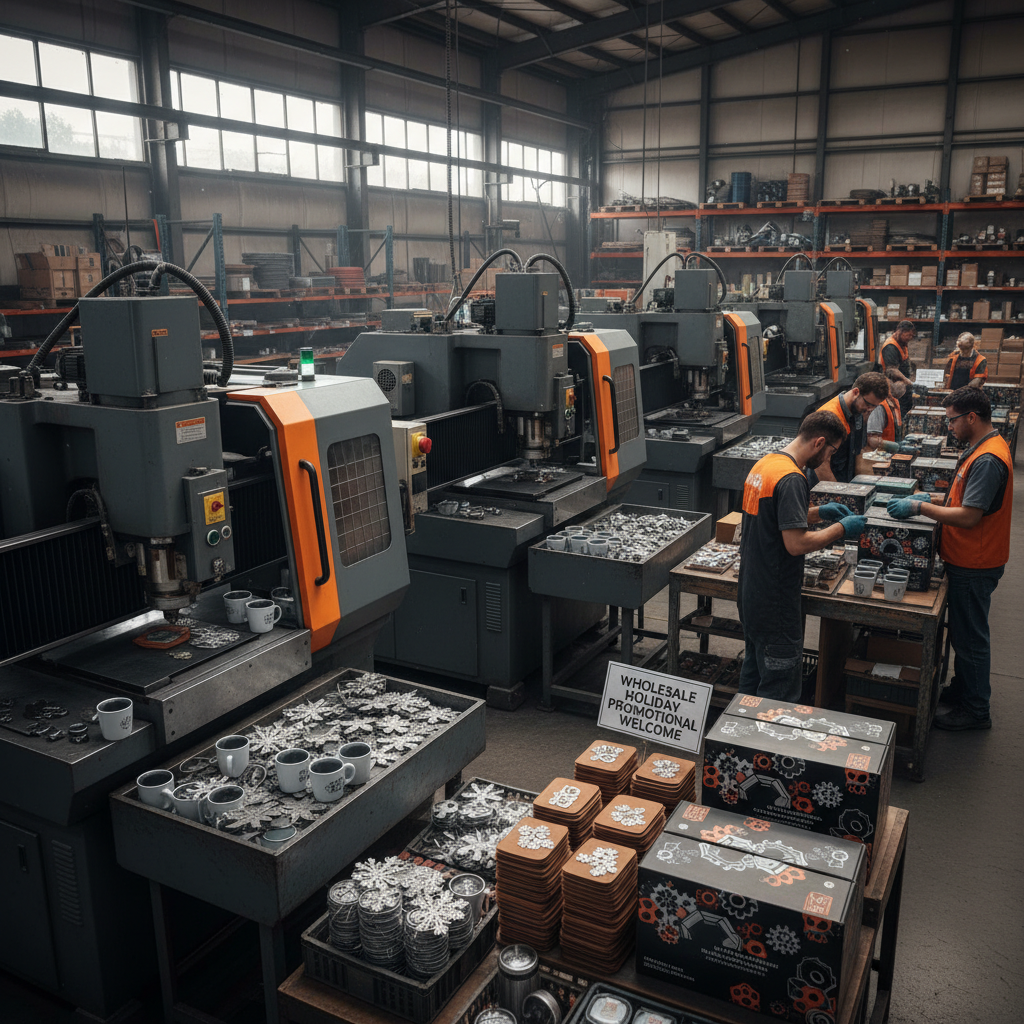
Personal print gifts represent more than just customized items; they embody thoughtfulness, emotional connection, and the power of individual expression. In a world increasingly dominated by mass-produced goods, these gifts offer a unique alternative, fostering a sense of intimacy and appreciation between giver and receiver. The growing demand for personalized products reflects a broader societal shift toward valuing experiences and meaningful connections over material possessions.
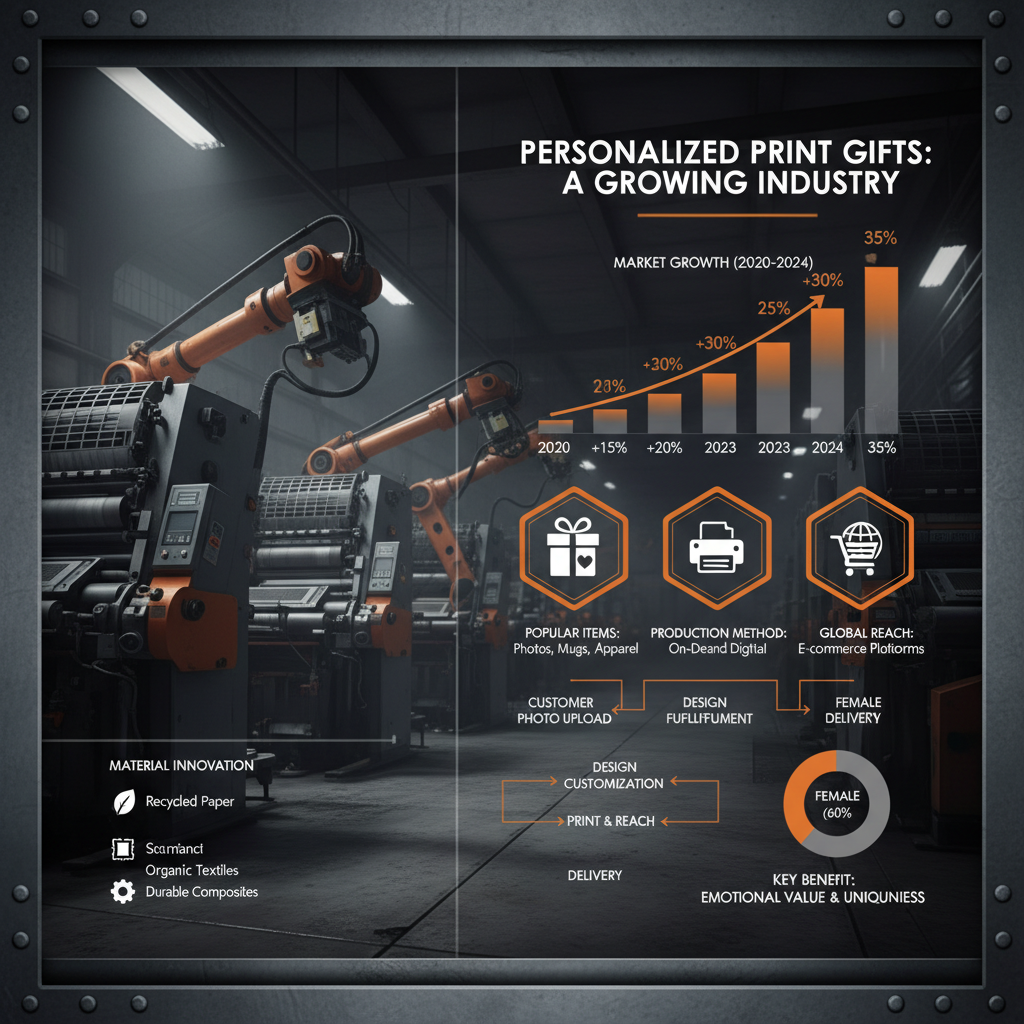
Globally, the personalized gift market is experiencing significant growth, driven by technological advancements in printing and manufacturing, coupled with increasing consumer demand for unique and memorable products. According to recent industry reports, the global personalized gifts market was valued at $30.85 billion in 2023 and is projected to reach $44.11 billion by 2032, growing at a CAGR of 4.0% from 2024 to 2032. This surge is particularly noticeable in regions with rising disposable incomes and a strong emphasis on gift-giving traditions.
The accessibility of online platforms and the ease of creating personalized designs have democratized the gift-giving process, empowering individuals to create truly one-of-a-kind presents. This trend addresses a critical need for authentic expression in a world often characterized by uniformity and detachment, offering a powerful way to strengthen relationships and celebrate life’s special moments.
The Significance of Personal Print Gifts
Personal print gifts have transcended the realm of simple presents, becoming powerful tools for building and maintaining relationships. They demonstrate a level of care and consideration that mass-produced items simply cannot match. This is especially important in a society where genuine connection is often elusive. The emotional resonance of a gift tailored specifically to the recipient's tastes and preferences is immeasurable.
Beyond individual connections, personal print gifts contribute to a thriving creative economy. They support small businesses, independent artists, and innovative printing technologies. Choosing personalized gifts often means supporting ethical and sustainable practices, as many providers prioritize quality materials and responsible production methods. They offer a delightful alternative to the impersonal nature of many commercially available goods.
Defining Personal Print Gifts
At their core, personal print gifts are items that have been customized with unique designs, names, photos, or messages to reflect the individuality of the recipient. This can encompass a vast range of products, from personalized mugs and t-shirts to custom photo albums and wall art. The key distinction lies in the intentionality of the personalization – it’s about crafting something specifically for someone, rather than simply selecting an item from a shelf.
The concept connects directly to modern industry trends, particularly the growing demand for mass customization. Advanced digital printing technologies and on-demand manufacturing processes have made it increasingly cost-effective to produce small batches of highly personalized products. This capability caters to a consumer base that prioritizes individuality and self-expression.
In the context of humanitarian needs, the principles of personalization can be adapted to provide targeted aid and support. For example, printing educational materials in local languages or creating personalized identification documents for displaced individuals can significantly improve the effectiveness of relief efforts.
Core Components of Quality Personalization
Several key factors contribute to the overall quality and impact of personal print gifts. Print Quality is paramount; high-resolution printing ensures that images and designs are crisp, vibrant, and durable. The materials used directly influence the lifespan of the gift and contribute to its overall aesthetic.
Design Flexibility is equally crucial, allowing for a wide range of customization options. Users should have the ability to upload their own images, choose from a variety of fonts and colors, and add personalized text. Turnaround Time plays a vital role in customer satisfaction; quick and reliable production and shipping are essential, especially for time-sensitive occasions.
Finally, Customer Support is critical. Responsive and helpful customer service can address any concerns or issues that may arise during the personalization process. These four components combine to create a seamless and positive experience for the gift giver and, ultimately, the recipient.
Impact and Applications Across Sectors
The applications of personal print gifts extend far beyond individual celebrations. In the marketing and advertising sector, personalized promotional items can significantly enhance brand recognition and customer loyalty. Businesses are increasingly utilizing customized merchandise to create memorable experiences for their clients and employees.
Within the education sector, personalized school supplies and awards can foster a sense of pride and achievement among students. Customized textbooks and learning materials can also cater to individual learning styles. In the healthcare industry, personalized patient gifts can contribute to a more positive and comforting experience.
Personal Print Gifts Market Share by Application
Advantages and Long-Term Value of Personalization
The benefits of choosing personal print gifts are multifaceted. From a cost perspective, on-demand printing often eliminates the need for large minimum order quantities, making it accessible for smaller budgets. The sustainability factor is also increasing, with many providers offering eco-friendly materials and printing processes.
The social impact is significant; personalized gifts strengthen relationships, convey genuine sentiment, and create lasting memories. The reliability of modern printing technologies ensures high-quality results and consistent performance. Ultimately, these gifts contribute to a culture of thoughtfulness and appreciation.
Future Trends and Innovations
The future of personal print gifts is poised for continued innovation. Advances in artificial intelligence are enabling increasingly sophisticated design tools and automated personalization processes. The integration of augmented reality (AR) allows recipients to interact with personalized gifts in new and engaging ways.
The growing emphasis on sustainable materials is driving the development of eco-friendly printing inks and biodegradable substrates. Digital transformation is streamlining the entire personalization process, from design and ordering to production and delivery. Expect to see even more seamless and personalized experiences in the years to come.
The rise of 3D printing will further revolutionize the field, allowing for the creation of entirely customized and complex gifts. The fusion of digital and physical realms will create more immersive and memorable gifting experiences.
Challenges and Potential Solutions
Despite the many benefits, the personal print gifts industry faces certain challenges. Scalability can be an issue for smaller businesses, as fulfilling large orders with personalized designs requires efficient workflows and robust infrastructure. Maintaining data privacy is also paramount, as personalization often involves collecting and storing customer information.
Another challenge is ensuring design consistency across different products and platforms. To address these issues, investing in scalable production technologies, implementing robust data security measures, and developing standardized design templates are crucial. Collaboration between industry stakeholders and technology providers will be essential for overcoming these hurdles.
The need for clear and transparent sourcing practices is becoming increasingly important as consumers demand ethical and sustainable products. Traceability of materials and responsible manufacturing processes will be key to building trust and ensuring long-term success.
Core Data Analysis of Personal Print Gifts Challenges and Solutions
| Challenge |
Severity (1-10) |
Potential Solution |
Implementation Cost (1-10) |
| Scalability Issues |
7 |
Automated Production Lines |
8 |
| Data Privacy Concerns |
9 |
Enhanced Encryption Protocols |
6 |
| Design Inconsistency |
6 |
Standardized Design Templates |
4 |
| Supply Chain Transparency |
8 |
Blockchain-Based Tracking System |
7 |
| Production Cost |
5 |
Optimize material sourcing |
3 |
| Competition |
7 |
Niche Marketing and Innovation |
5 |
FAQS
The turnaround time for personalized print gifts varies depending on the complexity of the design, the product type, and the shipping destination. However, most providers offer a standard turnaround of 3-7 business days for production, with an additional 2-5 business days for shipping. Expedited options are often available for an additional fee. Always check the specific provider's shipping policy for accurate estimates.
Most providers accept a wide range of image file types, including JPEG, PNG, TIFF, and GIF. For vector graphics, they often support AI, EPS, and SVG formats. It's crucial to ensure that uploaded images are high resolution (at least 300 DPI) to guarantee optimal print quality. The website should specify the accepted file types and any size or resolution requirements.
Absolutely! Reputable personal print gift providers offer a digital preview feature that allows you to visualize your design on the chosen product before finalizing your order. This preview should accurately reflect the colors, layout, and positioning of your personalized elements. It's essential to carefully review the preview to ensure your satisfaction.
Return policies for personalized items can vary significantly. Due to the customized nature of these gifts, many providers do not accept returns unless there is a defect in the product or an error in the personalization process made by the provider themselves. Always review the return policy carefully before placing your order.
Many personal print gift providers offer bulk discounts for large orders, especially for corporate events or promotional campaigns. The discount amount typically depends on the quantity ordered and the specific product. Contact the provider directly to inquire about available bulk pricing options. Often, there is a dedicated account manager for bulk orders.
The materials used for personalized products vary depending on the item. Common materials include ceramic for mugs, cotton for t-shirts, acrylic for photo frames, and wood or metal for plaques and signage. Many providers are now offering eco-friendly alternatives, such as organic cotton, recycled materials, and biodegradable plastics. Product descriptions should clearly specify the materials used.
Conclusion
In conclusion, personal print gifts represent a powerful and evolving trend that caters to the increasing demand for individualized expression and meaningful connections. From enhancing personal relationships to bolstering brand loyalty and supporting sustainable practices, the benefits are far-reaching. The accessibility of technology and the growing emphasis on personalization are driving continued innovation in this dynamic industry.
Looking ahead, we can expect to see even more sophisticated personalization options, enhanced sustainability efforts, and a greater integration of digital technologies. By embracing these advancements, businesses and individuals can unlock the full potential of personal print gifts to create memorable experiences and strengthen bonds that matter. Explore the possibilities today and discover the perfect personalized gift at thegeniusgifts.com.