Labor protection gloves are a critical component of workplace safety across a vast range of industries, globally. These gloves aren’t merely accessories; they represent a fundamental commitment to protecting workers from a multitude of hazards, including abrasions, cuts, punctures, chemical exposures, and thermal risks. The demand for effective labor protection gloves is driven by increasing industrialization, stricter safety regulations, and a growing awareness of the importance of employee well-being.
The global market for labor protection gloves is substantial and continues to expand, driven by factors like infrastructure development in emerging economies, a heightened focus on occupational health and safety standards (as promoted by organizations like the ILO and ISO), and advancements in materials science leading to improved glove performance. Statistics from the UN highlight the millions of workplace injuries occurring annually, many of which could be prevented or mitigated with proper hand protection.
Understanding the nuances of labor protection gloves - from material selection to appropriate application – is crucial for employers, safety professionals, and workers alike. Utilizing the right gloves can significantly reduce the incidence of hand injuries, leading to lower healthcare costs, increased productivity, and a more secure working environment. You can find a comprehensive selection of quality labor protection gloves to meet various industrial needs.

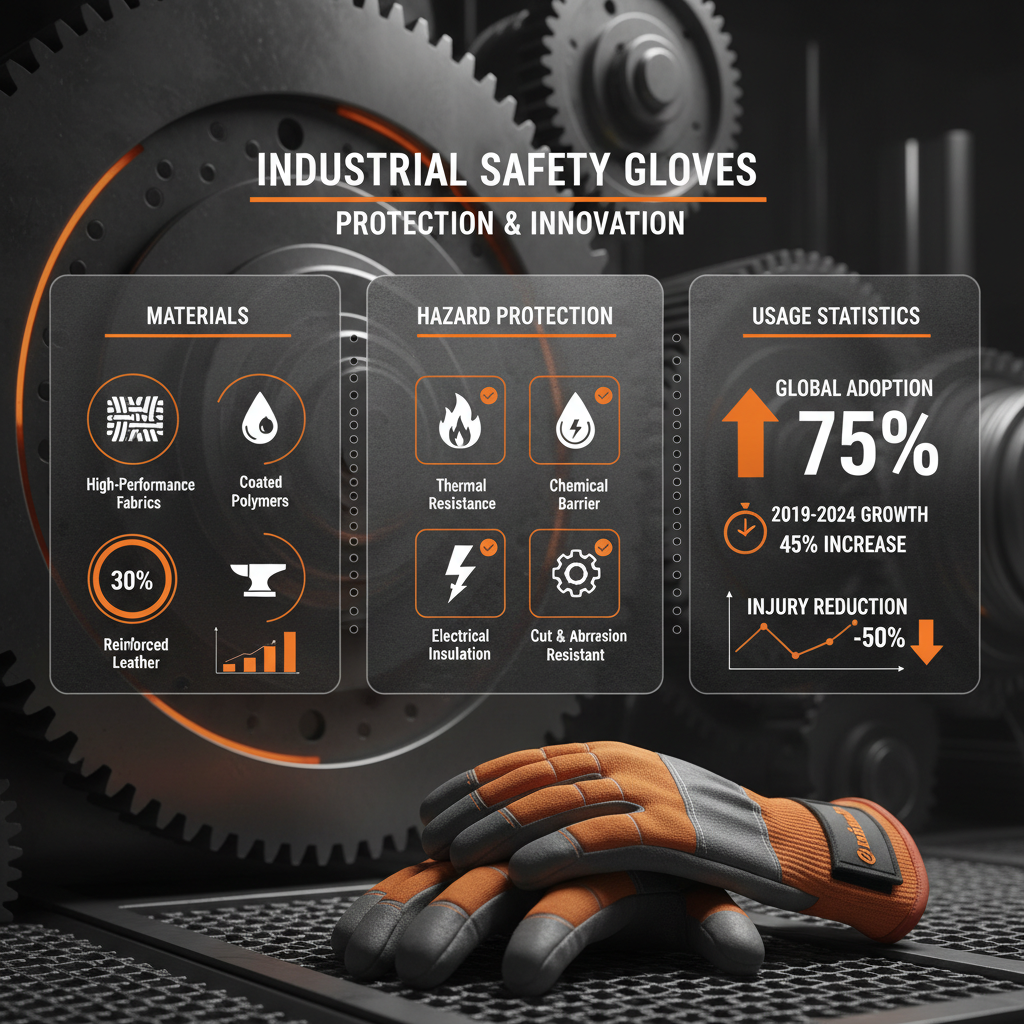
Hand injuries are among the most common workplace accidents, often resulting in lost work time, medical expenses, and potential long-term disability. Labor protection gloves provide a vital barrier against these risks, safeguarding workers’ hands from a wide array of hazards. Investing in quality gloves demonstrates a commitment to employee safety and can significantly improve overall workplace morale and productivity.
The consequences of neglecting hand protection extend beyond immediate medical costs. Lost productivity, training replacements, and potential legal liabilities can add up to substantial financial burdens. Properly selected and maintained labor protection gloves are, therefore, a cost-effective investment in a safer and more efficient workforce.
Cut resistance is measured using ANSI cut scales (A1-A9) or ISO 13997. For handling sharp materials, a glove rated A4 or higher is generally recommended. Higher ratings offer greater protection, but may sacrifice some dexterity. Consider the specific task and the level of risk when choosing a cut-resistant glove.
The replacement frequency depends on glove usage and exposure to hazards. Gloves should be replaced immediately if they show signs of damage such as punctures, tears, or chemical degradation. Even without visible damage, gloves should be replaced regularly based on manufacturer recommendations or workplace safety protocols—often every few weeks to months.
Nitrile gloves offer superior resistance to chemicals and punctures compared to latex gloves. They are also hypoallergenic, making them a good choice for individuals with latex allergies. Latex gloves provide excellent tactile sensitivity but offer less chemical resistance and can cause allergic reactions in some people.
Cleaning procedures depend on the glove material. Generally, gloves should be washed with mild soap and water after each use. Avoid harsh chemicals or abrasive cleaners. Inspect gloves for damage before each use and discard damaged gloves. Store gloves in a clean, dry place away from direct sunlight and extreme temperatures.
Yes, many manufacturers now offer gloves with touchscreen-compatible fingertips. These gloves allow workers to operate smartphones and tablets without removing their hand protection, improving efficiency and safety in tasks requiring digital interaction. Look for gloves specifically labeled as “touchscreen compatible.”
Look for gloves certified to relevant standards like EN 388 (mechanical hazards), EN 374 (chemical resistance), and ANSI/ISEA 105 (American National Standard for Hand Protection). These certifications indicate that the gloves have been tested and meet specific performance criteria, ensuring a reliable level of protection.
In conclusion, labor protection gloves are an indispensable element of workplace safety, offering a crucial defense against a wide spectrum of hand hazards. Understanding the different types of gloves, their protective capabilities, and appropriate applications is paramount for creating a safe and productive working environment. Investing in quality gloves isn’t merely a cost; it’s a demonstration of a commitment to employee well-being and responsible business practice.
Looking ahead, continued innovation in materials science and technology will drive further advancements in labor protection glove design. Prioritizing sustainability, comfort, and dexterity, alongside core safety features, will be key to meeting the evolving needs of a dynamic global workforce. Explore our extensive range of labor protection gloves today and safeguard your workforce.