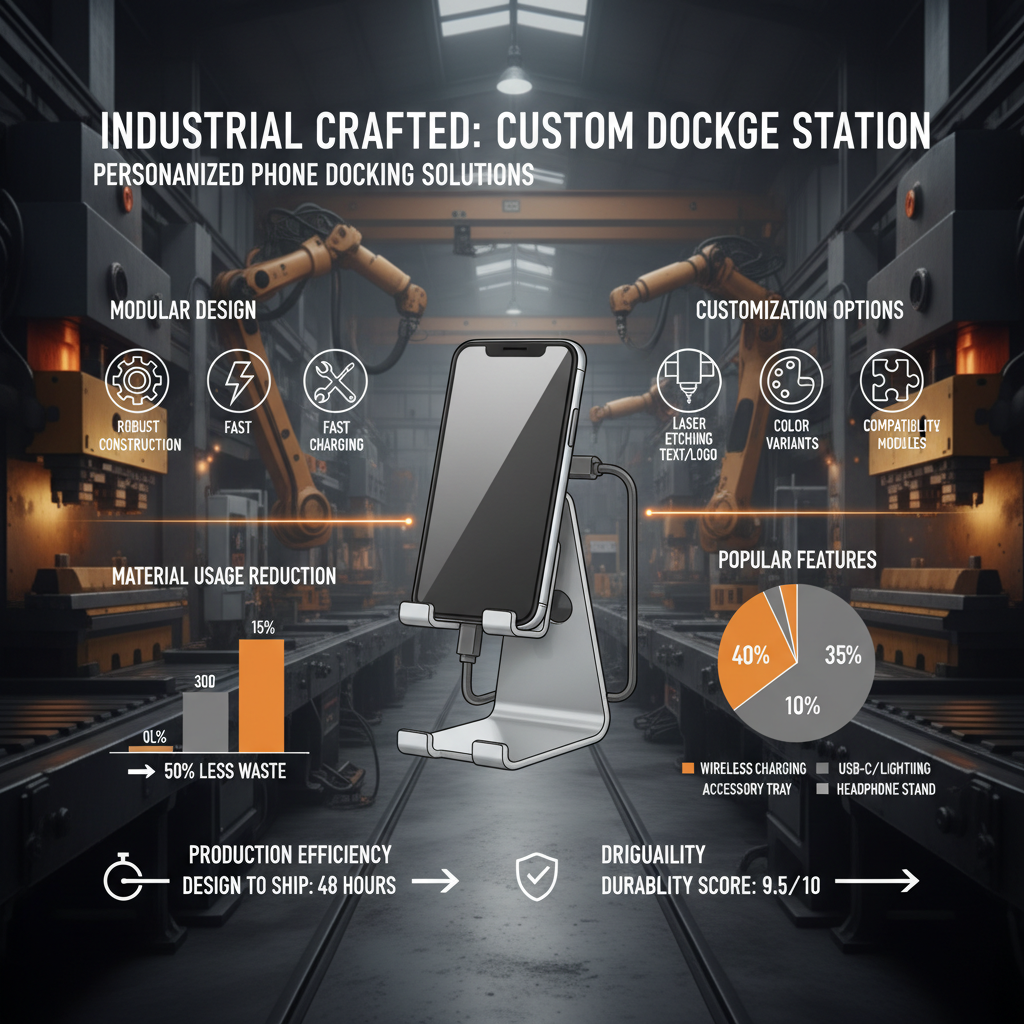
The modern world is increasingly reliant on mobile devices, and ensuring their functionality requires reliable power solutions. A personalized phone docking station goes beyond a simple charger, offering a customized and efficient way to manage device power and organization. This isn’t just about convenience; it’s about optimizing productivity, enhancing aesthetics, and reducing electronic waste through durable, tailored solutions.
The global market for mobile accessories, including docking stations, is booming, driven by the widespread adoption of smartphones and tablets. According to Statista, the global mobile accessories market was valued at approximately $250 billion in 2023 and is projected to reach over $300 billion by 2027. A personalized phone docking station addresses the growing need for organized, efficient charging solutions, particularly as consumers demand more from their devices and seek ways to streamline their digital lives.
The increasing demand for these stations is fueled by several factors: the proliferation of multiple devices per person, the desire for a clutter-free workspace, and a growing awareness of the importance of sustainable tech accessories. Understanding the benefits of a thoughtfully designed personalized phone docking station is key to navigating this rapidly evolving landscape.
The Core Principles of Personalized Phone Docking Stations
At the heart of a truly effective personalized phone docking station is user-centric design. This means understanding individual needs, preferences, and usage patterns. It's not simply about creating a device that charges a phone; it’s about crafting a solution that seamlessly integrates into a user's lifestyle, offering convenience, organization, and aesthetic appeal.
The core principles also encompass durability, sustainability, and adaptability. A quality docking station should be built to last, minimizing electronic waste, and be able to accommodate evolving technologies and device types. Choosing materials wisely and designing for longevity are essential components of a responsible and valuable product.
Defining Personalized Phone Docking Stations
A personalized phone docking station is more than just a charging accessory; it's a tailored solution for managing and powering mobile devices. Unlike universal docking stations, personalized options are often customized in terms of aesthetics, functionality, and compatibility with specific devices. This customization can range from engraving or choosing specific materials to incorporating features like wireless charging, built-in speakers, or data synchronization capabilities.
This concept directly addresses the needs of a modern, connected world where individuals rely heavily on their smartphones and tablets for both personal and professional tasks. A personalized phone docking station can serve as a central hub for device management, promoting organization and efficiency.
Its connection to industry lies in the growing demand for bespoke technology solutions. Businesses are increasingly recognizing the value of branded docking stations for employees or as promotional gifts, while individuals are seeking accessories that reflect their personal style and preferences.
Key Factors in Personalized Phone Docking Station Design
Durability is paramount. A personalized phone docking station should be constructed from high-quality materials that can withstand daily use and protect valuable devices. This includes considering the robustness of the charging connectors, the stability of the base, and the overall build quality.
Connectivity is crucial. Modern devices utilize various charging protocols (USB-C, Lightning, Wireless). A well-designed docking station should accommodate a wide range of options, ensuring compatibility with current and future devices. This also includes consideration for data transfer capabilities, allowing for seamless synchronization of information.
Aesthetics play a significant role. Personalization extends to the visual appeal of the docking station. Offering a range of finishes, materials, and customization options—such as engraving or logo integration—allows users to create a product that reflects their personal style or brand identity.
Global Applications of Personalized Phone Docking Stations
Personalized phone docking stations are finding applications across diverse sectors worldwide. In corporate environments, companies are leveraging them as branded gifts for employees or clients, reinforcing brand identity and promoting a professional image. For example, a tech company might provide customized docking stations with its logo to its sales team.
In the hospitality industry, hotels are increasingly offering personalized docking stations in guest rooms, providing a convenient and upscale amenity. This can enhance the guest experience and differentiate the hotel from its competitors.
In post-disaster relief operations, ruggedized, personalized docking stations can be deployed to provide reliable charging solutions for first responders and aid workers, ensuring critical communication lines remain open. In remote industrial zones, durable docking stations can help maintain productivity by keeping essential devices powered and operational.
Personalized Phone Docking Station Feature Preference
Advantages and Long-Term Value of Personalized Solutions
The advantages of opting for a personalized phone docking station extend beyond mere convenience. From a cost perspective, investing in a durable, high-quality docking station can reduce the need for frequent replacements, ultimately saving money in the long run. Furthermore, a well-designed station can protect devices from damage, preventing costly repairs or replacements.
From a sustainability standpoint, choosing a product built to last reduces electronic waste, aligning with environmentally conscious values. The emotional value of personalization – creating a product that reflects individual style or brand identity – is also significant, fostering a sense of ownership and pride.
Future Trends in Personalized Phone Docking Station Technology
The future of personalized phone docking station technology is likely to be shaped by several key trends. Integration with smart home ecosystems is a significant area of development, allowing users to control charging and other functions through voice commands or automated routines.
Wireless power transfer technologies are becoming more efficient and widespread, paving the way for truly cable-free docking solutions. Materials science innovations will lead to more sustainable and durable products, incorporating recycled materials and biodegradable components.
Challenges and Innovative Solutions in the Market
One significant challenge is ensuring compatibility with the ever-evolving landscape of mobile devices and charging standards. A potential solution is modular designs that allow users to easily swap out components to accommodate new technologies.
Another challenge is the cost of personalization, which can make customized docking stations less accessible to some consumers. Innovative manufacturing techniques, such as 3D printing, could help reduce production costs and make personalization more affordable.
Maintaining data security while utilizing docking stations for data transfer is also crucial. Implementing robust encryption protocols and secure authentication methods are essential to protect sensitive information.
Summary of Key Challenges and Solutions for Personalized Phone Docking Stations
| Challenge |
Impact on Users |
Potential Solutions |
Implementation Difficulty (1-10) |
| Device Compatibility |
Limited functionality with newer devices |
Modular design, adaptable connectors |
6 |
| Personalization Cost |
Reduced affordability for some consumers |
3D printing, streamlined customization processes |
7 |
| Data Security Risks |
Potential for data breaches during transfer |
Robust encryption, secure authentication |
8 |
| Material Sustainability |
Environmental impact of plastic components |
Recycled materials, biodegradable plastics |
5 |
| Wireless Charging Efficiency |
Slower charging speeds compared to wired connections |
Advanced wireless power transfer technologies |
4 |
| Integration with Smart Homes |
Limited control and automation features |
API integration with smart home platforms |
6 |
FAQS
High-quality docking stations often utilize materials like aluminum alloy for durability and heat dissipation, premium plastics like ABS for impact resistance, and wood or leather accents for aesthetic appeal. Some manufacturers are also exploring sustainable materials like bamboo or recycled plastics. The choice of material significantly impacts the station’s longevity, weight, and overall feel. A personalized phone docking station allows you to customize these choices.
Look for docking stations that support multiple charging protocols (USB-C, Lightning, Qi wireless charging). Modular designs, allowing you to swap out connectors or add adapters, are also a great option. Consider a docking station with adjustable connectors or a universal fit, ensuring it can accommodate a range of device sizes and shapes. Investing in a quality personalized phone docking station should consider future compatibility.
Wireless charging offers a cleaner, more convenient charging experience, eliminating the need for cables. It also reduces wear and tear on device charging ports. A wireless-enabled personalized phone docking station can declutter your workspace and provide a more streamlined aesthetic. However, wireless charging can sometimes be slower than wired charging.
Personalization options extend far beyond simple engraving. You can choose specific materials, colors, and finishes. Some manufacturers offer custom layouts or the ability to integrate logos or designs. Advanced options might include adding built-in speakers, ambient lighting, or even incorporating a small digital display. A personalized phone docking station offers many customization possibilities.
The price of a high-quality personalized docking station can vary widely depending on the materials used, the level of customization, and the features included. Generally, you can expect to pay between $50 and $200 for a well-made, personalized station. Premium options with advanced features or exotic materials can cost considerably more. Considering a personalized phone docking station is an investment in quality.
Look for docking stations with built-in ventilation systems or heat dissipation features, such as aluminum alloy construction. Avoid placing the station in direct sunlight or near other heat sources. Ensure the device being charged is properly aligned with the charging connector or wireless charging pad to maximize efficiency and minimize heat buildup. A well-designed personalized phone docking station prioritizes safety.
Conclusion
In conclusion, the personalized phone docking station represents a significant evolution in mobile device management. From its core principles of user-centric design and durability to its diverse global applications and future-forward technologies, it’s clear that this isn’t merely an accessory but a vital component of the modern digital lifestyle. By embracing personalization, we can create solutions that are not only functional and efficient but also reflective of individual needs and preferences.
Looking ahead, the continued integration of smart technologies, sustainable materials, and modular designs will further enhance the value and versatility of these stations. We encourage you to explore the possibilities and discover how a personalized docking station can optimize your digital life and contribute to a more organized, efficient, and sustainable future.