To be honest, things are moving fast these days. Everyone’s talking about modular construction, prefabrication… it’s all about speed, right? Getting stuff done quicker, less waste. But you spend enough time on site, and you realize a lot of it is just shifting the problems around. You think you’re saving time on-site, but then you’re chasing suppliers for custom components, dealing with fitment issues… it’s a trade-off. I’ve seen projects where they went all-in on pre-fab, and ended up with more headaches than if they’d just built it traditionally. Have you noticed that? It's the details, always the details.
One thing I keep seeing is folks over-engineering the connections. They want everything perfectly flush, seamless… but on a real construction site, things move. Settling, thermal expansion, vibrations… You need a little bit of give. Rigid connections are just asking for stress fractures down the line. It seems simple, but it's a surprisingly common mistake. I encountered this at a new hospital build in Shanghai last time - the façade panels were all cracking because the engineers didn’t account for the building’s sway. It was… a mess.
Now, personalized real estate closing gifts. Seems a bit fancy for a construction guy like me, but I get it. First impressions matter. It's not just about handing over keys anymore. People want something that feels… tailored. Something that says "welcome home," not just "here's your paperwork." And honestly, a little gesture goes a long way. Especially after the stress of buying a house.
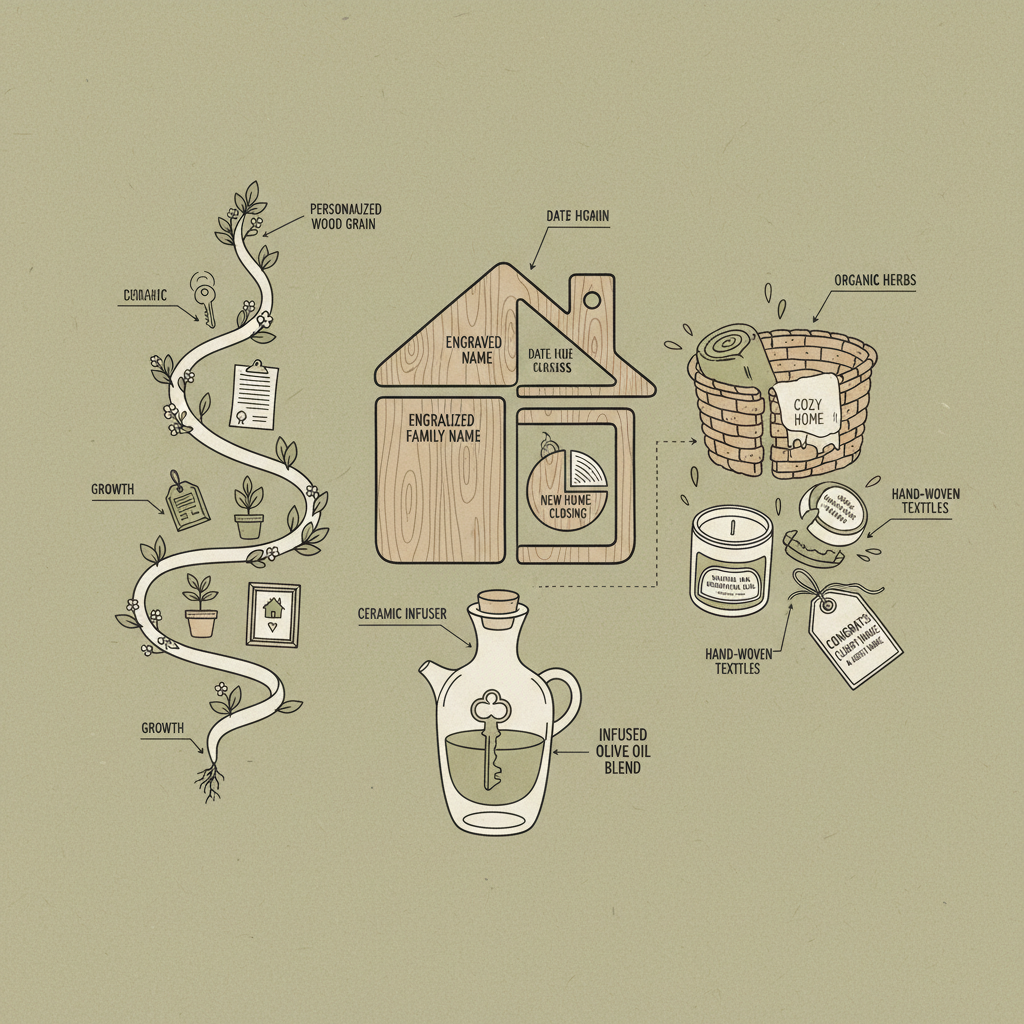
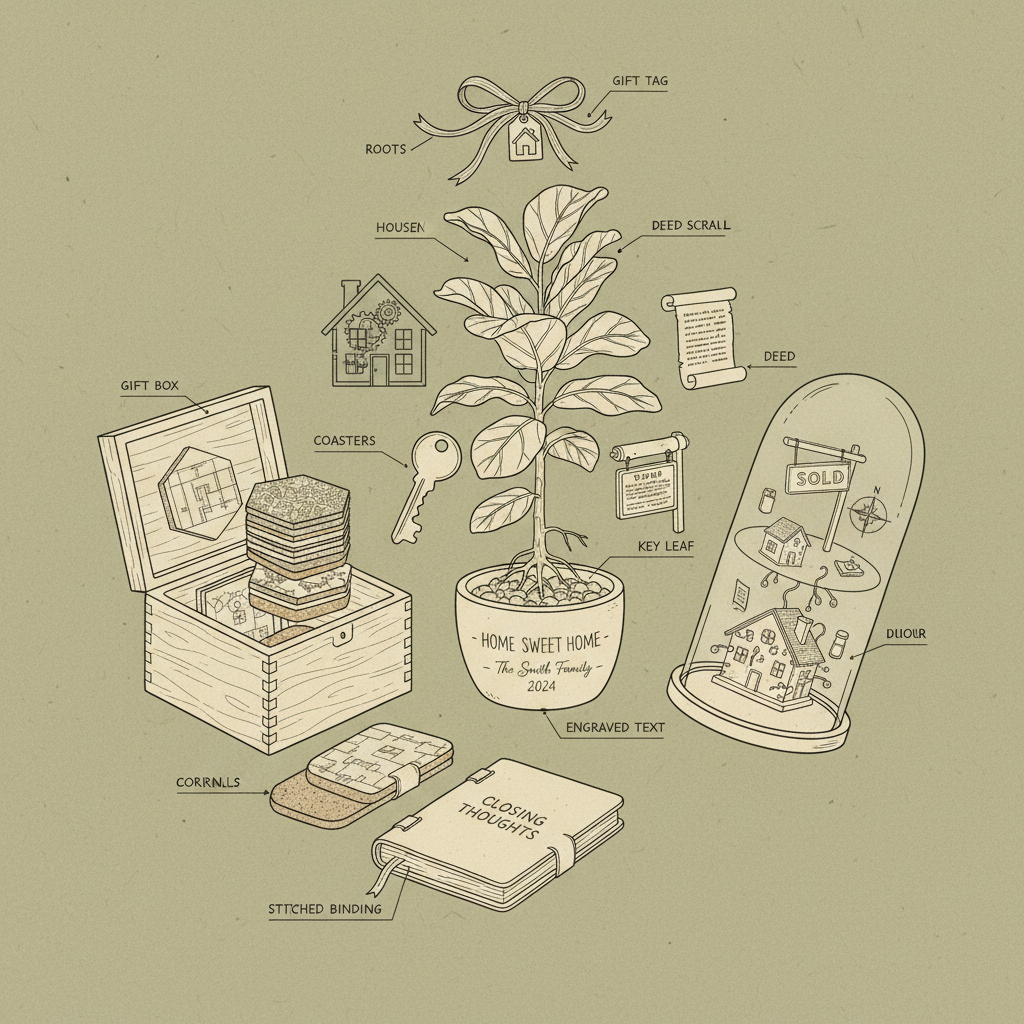
Strangely enough, the demand for personalized real estate closing gifts is really mirroring the trend towards experiential gifting. People don’t want stuff; they want memories, convenience, or something that solves a problem. A generic fruit basket? Forget about it. A curated welcome package with local restaurant recommendations and a gift certificate for a cleaning service? Now you’re talking. It's a subtle shift, but it's there.
It’s becoming less about the monetary value and more about the thought behind it. A custom house portrait, a locally sourced artisanal food basket, a smart home device pre-programmed with basic settings… these are the kinds of gifts that make a difference. I think it’s a response to the increasingly impersonal nature of the home buying process. So many emails, so much paperwork… a little personal touch helps cut through the noise.
Honestly? Thinking it’s about the price tag. People remember the thought, not the cost. A generic, expensive gift is way less impactful than something small, thoughtful, and personalized. I see it all the time. They’re trying to impress, but they end up looking… impersonal. A truly useful gift that acknowledges the stress of moving will go further than a designer handbag.
It varies wildly depending on the customization. Something simple, like engraving a name on a cutting board, can be done in a few days. But if you're talking about custom artwork, locally sourced products, or complex assembly, you’re looking at several weeks, potentially a month or more. Lead time is crucial. Always plan ahead, especially during peak moving season. Don’t leave it to the last minute.
Absolutely. People are much more conscious about sustainability now. A gift that's ethically sourced and environmentally friendly is a definite plus. It sends a message that you care about more than just closing the deal. Plus, it’s good PR. Bamboo products, organic cotton, recycled materials… these are all good options. Just make sure they’re actually high quality.
Avoid them like the plague. Seriously. New homeowners are exhausted and overwhelmed. The last thing they need is another project. Anything that requires tools, instructions, or multiple steps is a no-go. Keep it simple, keep it easy, and keep it ready to use. It’s a recipe for frustration otherwise.
Think about the target demographic. What are their interests? What are their needs? A young couple might appreciate a gift certificate for a meal delivery service. A family with kids might prefer a practical item like a personalized doormat. Consider sending a quick survey to the client beforehand to get a sense of their preferences. A little research goes a long way.
You'd be surprised how much people love that! It's a small touch, but it shows you really pay attention. Personalized pet bowls, custom pet portraits, even a simple pet-themed welcome mat can be huge hits. It's a great way to build rapport and make a lasting impression. People love their pets, let’s be real.
Ultimately, personalized real estate closing gifts are about building relationships and creating positive experiences. It's a small gesture that can have a big impact, turning a stressful transaction into a memorable moment. It’s about showing your clients that you care about them, not just about closing the deal. And it’s about understanding that people aren’t looking for extravagance, they’re looking for thoughtfulness.
Now, I'm not saying these gifts will magically solve all the problems in the real estate industry. But they can make a difference. And at the end of the day, whether this thing works or not, the worker will know the moment he tightens the screw. Check out personalized real estate closing gifts for more ideas.