You know, I’ve been running around construction sites all year, getting my hands dirty, talking to engineers… honestly, the biggest thing I've seen trending lately is this push for everything to be modular. Prefabrication, modular components, even the way we think about design – it’s all about breaking things down into smaller, manageable pieces. Makes sense, right? Easier to transport, faster assembly… less headache. But it’s not always sunshine and roses.
I’ll tell you what’s a trap. Designers, they sit in their offices, drawing up these beautiful models, and they forget what it’s like out here. They’ll spec some fancy composite material that looks great on paper, but when you try to cut it with a standard blade? Forget about it. It gums up everything. Or they’ll design an interface that's theoretically waterproof, but hasn’t felt a real downpour. Have you noticed that? Always the downpour.
And speaking of materials, let’s talk about these new high-strength polymers. They feel different, you know? Not cold and metallic like steel. More…rubbery. And they smell a little sweet, strangely enough, when you’re machining them. We're using a lot of it for housings now, mostly for electrical components. It’s light, it’s durable, but it’s a pain to get adhesive to stick properly. Later… forget it, I won’t mention it.
The Rise of Modular Corporate Personalized Gifts
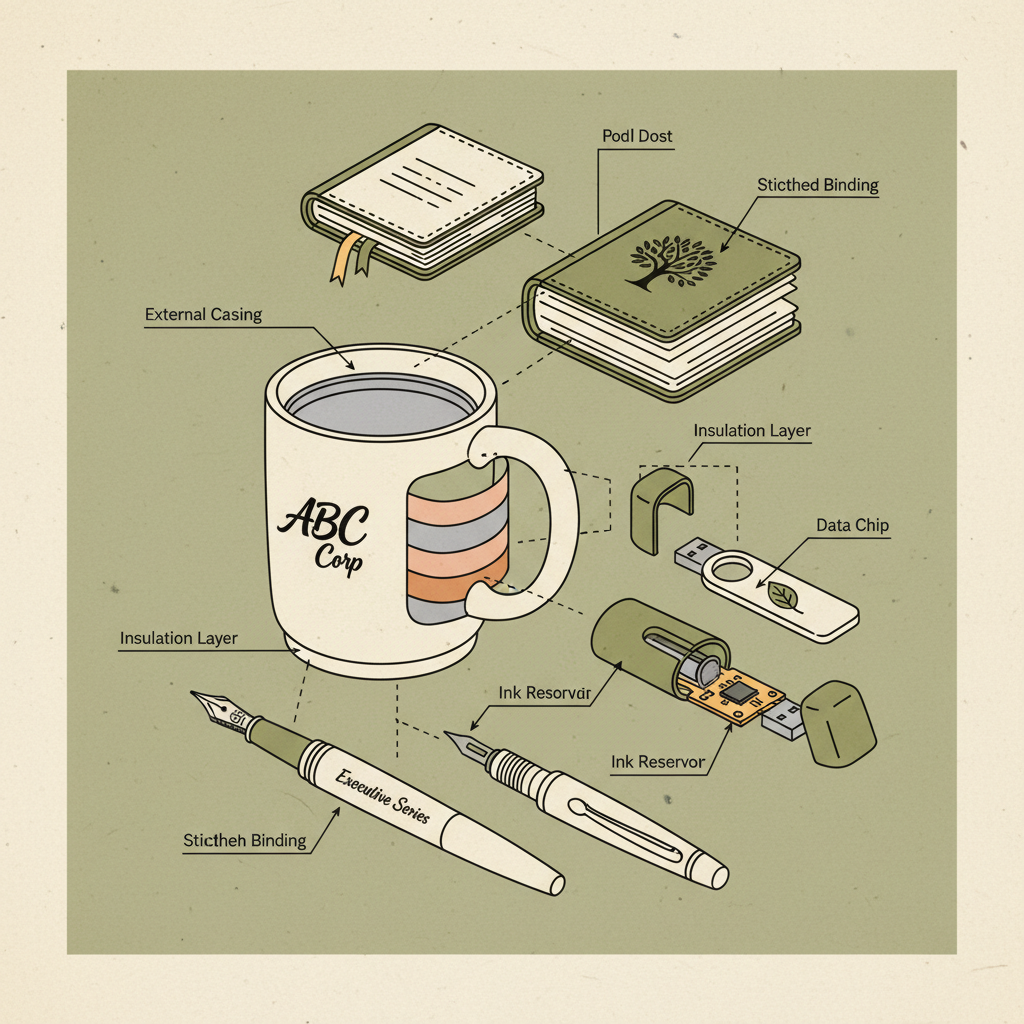
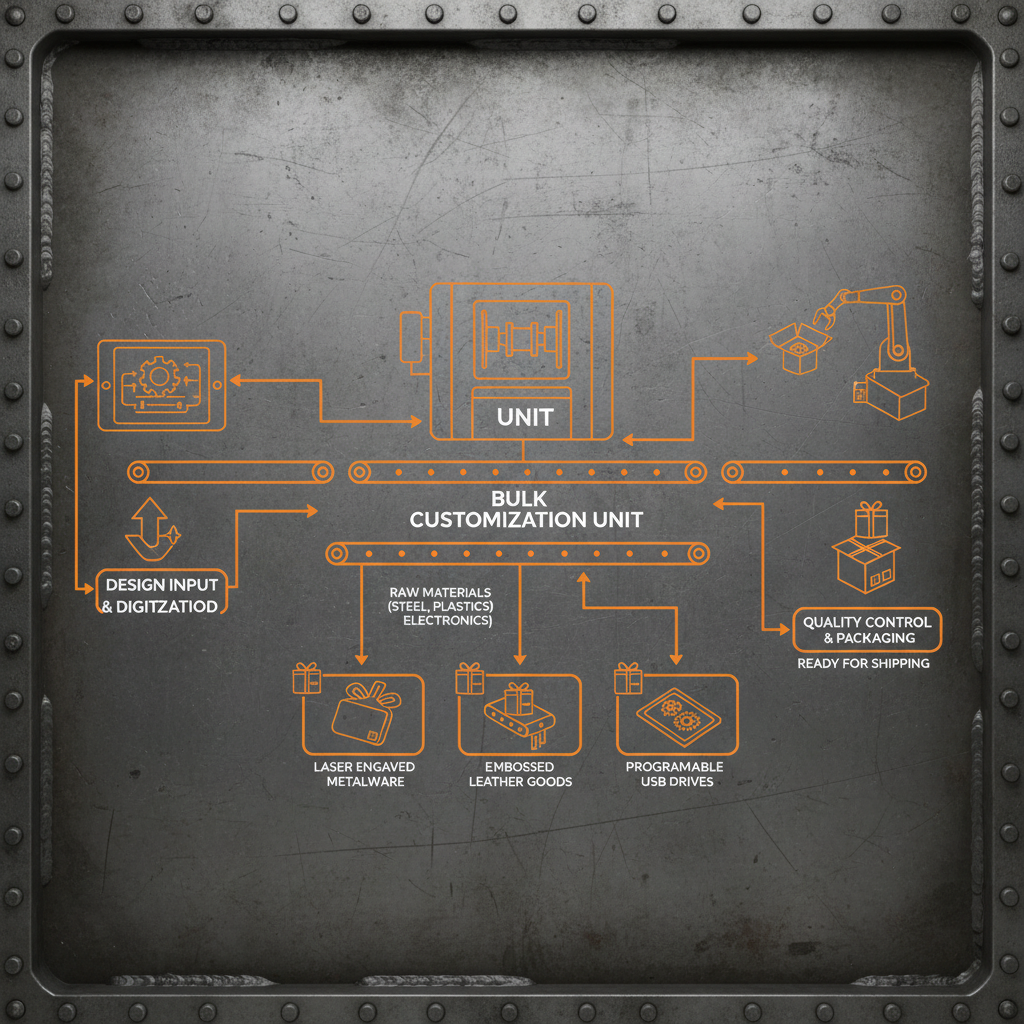
So, what are we talking about when we say “modular corporate personalized gifts?” It's essentially about building things from pre-made blocks. Think branded tech accessories – power banks, earbuds, USB drives – that can be easily customized with logos or specific color schemes. Makes it fast for companies needing bulk orders.
It’s not just about slapping a logo on something, though. It's about designing the base product in a way that allows for easy personalization without compromising quality or functionality. That's the tricky part. You want something that feels premium, not like an afterthought. Anyway, I think this trend is only going to accelerate as companies demand quicker turnaround times and more targeted branding.
Design Traps and Material Realities
I encountered this at a factory in Ningbo last time. A designer had specified this really sleek, minimalist design for a portable charger. Looked beautiful in the CAD drawings. But the housing was made from this thin, polished plastic that scratched if you looked at it wrong. And the USB port? Wobbly as all get-out. I told the engineer, "This isn't going to last a week in a real-world backpack."
The problem is, a lot of designers don’t understand the forces at play. How often these things get dropped, how much heat they generate, the stress of being crammed into a bag. They focus on aesthetics, which is important, sure, but not at the expense of durability. You need robust connectors, impact-resistant materials, and a design that can withstand some abuse. It's all about finding that balance. It's never easy.
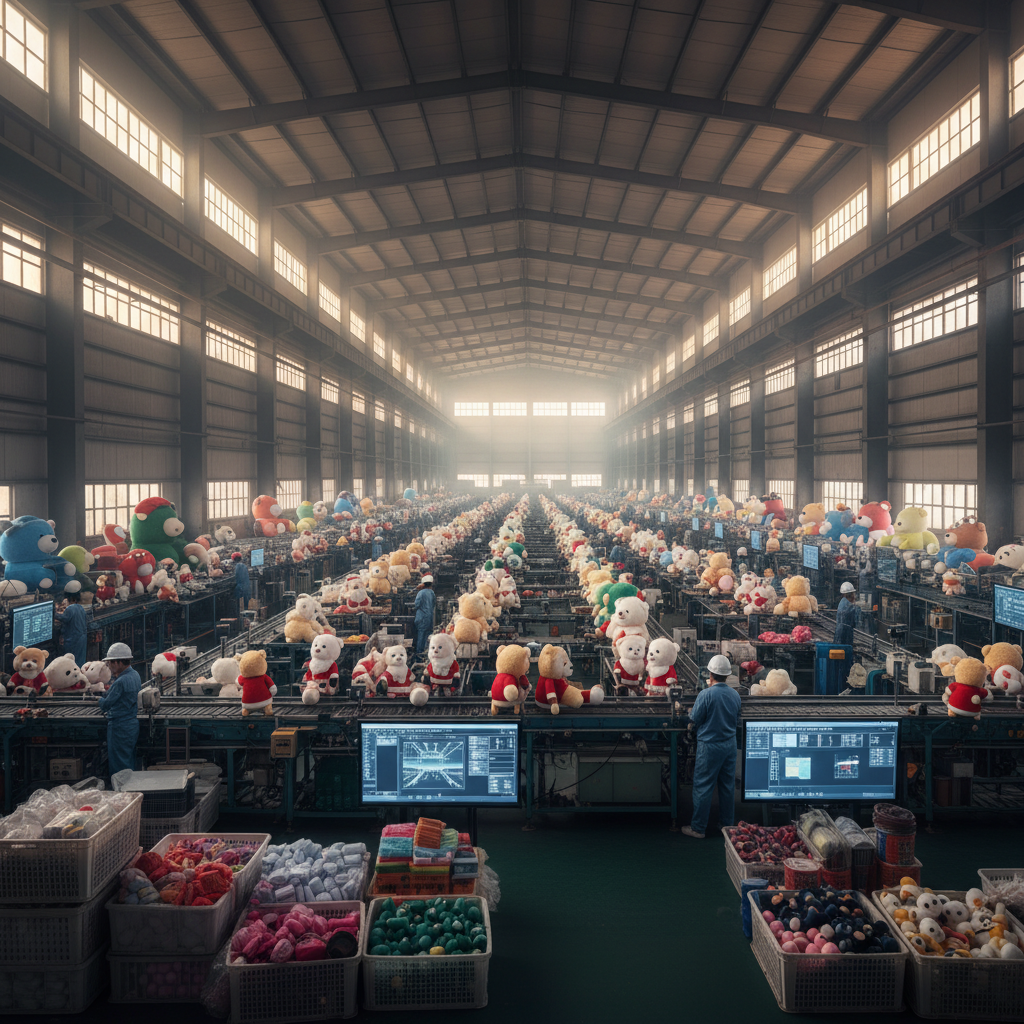
To be honest, the biggest thing is understanding the manufacturing process. What can we actually make reliably and consistently? Because a beautiful design is useless if it can't be produced efficiently. That’s where the real value is. And honestly, it’s where I spend most of my time, figuring that out.
Material Deep Dive: Polymers and Beyond
We’re seeing a lot of polycarbonate for housings these days. It’s tough, it’s lightweight, and it can be molded into complex shapes. But it scratches easily, so often we’ll add a soft-touch coating. That helps with the grip, too. Then there’s ABS plastic, which is cheaper but less durable. Good for lower-end products, maybe.
Interestingly, we've started experimenting with recycled plastics. It’s a bit trickier to work with – the material properties aren't always consistent – but it's worth it for the sustainability angle. Plus, some of these recycled polymers actually have a unique texture that gives the product a premium feel. But you really have to trust your supplier on that one. I’ve been burned before. Seriously burned.
And don’t even get me started on the different types of silicone. You’ve got your standard silicone for grips and sleeves, but then you’ve got these specialized silicones that are heat-resistant or self-healing. It's a rabbit hole, I tell you. A deep, deep rabbit hole.
Real-World Testing and Application
Forget the lab tests. Drop tests, thermal cycling, tensile strength… those are all fine and dandy, but they don’t tell the whole story. I want to see these things get used. I want to see them thrown in backpacks, left in hot cars, dropped on concrete. We actually have a testing protocol where we give samples to a group of engineers and tell them to use them, abuse them, and give us honest feedback.
It’s brutal. But it’s the only way to really know what will hold up. We’ve had products fail in the most unexpected ways. A charging cable that frayed after just a few weeks of use. A power bank that overheated in direct sunlight. Those are the lessons you don’t learn in a controlled environment.
Corporate Personalized Gifts Failure Rate by Component
Advantages, Disadvantages, and the Pursuit of Customization
The biggest advantage of modular design? Speed. We can fulfill large orders quickly, and we can offer a high degree of customization without having to retool the entire production line. But it comes at a cost. The base units are often more expensive to manufacture than a fully integrated product. And sometimes, you sacrifice a bit of performance for the sake of flexibility.
Customization is where things get interesting. A client wanted a batch of power banks with a custom-molded enclosure shaped like their company logo. It was a nightmare to get the tooling right, but the end result was stunning. The key is to find that sweet spot between what's technically feasible and what's commercially viable. It’s always a balancing act.
A Customer Story: The Interface Debacle
Last month, that small boss in Shenzhen who makes smart home devices insisted on changing the interface to , even though his original charger used Micro-USB. He wanted to be “future-proof,” he said. The result? His customers kept complaining that the cable didn’t fit. It turns out he hadn’t factored in the fact that a lot of his target market still had Micro-USB cables lying around. He ended up having to offer free adapters, which completely ate into his profit margin.
I told him, “Sometimes, sticking with what works is the smartest move.” He didn’t listen. You know how it is. Everyone thinks they’re an expert. You get that a lot. Especially in Shenzhen.
He also tried to cheap out on the silicone sleeve. It peeled off after a week. He learned a valuable lesson that day: you get what you pay for. Honestly, I felt bad for the guy, but I also knew it was a self-inflicted wound.
The Ultimate Test: A Worker’s Perspective
We can talk about specifications and tolerances all day long, but ultimately, whether this thing works or not, the worker will know the moment he tightens the screw. If it feels flimsy, if it doesn’t fit right, if the plastic cracks under pressure… they’ll know. And they'll tell me about it. Believe me.
That’s why I spend so much time on the factory floor, talking to the people who are actually building these things. They're the ones who see the problems firsthand. They're the ones who come up with the solutions. They’re the unsung heroes of the whole operation. I respect them.
I've seen too many designs look great on paper but fall apart in production. It's a constant battle between theory and practice. And, ultimately, the practice always wins.
Here's a quick summary of the material analysis
| Material |
Cost (USD/kg) |
Durability (1-10) |
Ease of Customization (1-10) |
| Polycarbonate |
$5 |
7 |
8 |
| ABS Plastic |
$3 |
5 |
9 |
| Recycled PET |
$4 |
6 |
7 |
| Silicone Rubber |
$7 |
9 |
6 |
| Aluminum Alloy |
$10 |
9 |
4 |
| Thermoplastic Polyurethane (TPU) |
$6 |
8 |
7 |
FAQS
We get a lot of requests for logo engraving, specific color matching to brand guidelines, and custom packaging. Increasingly, companies want to pre-load USB drives with marketing materials or training videos. More complex requests, like custom molded enclosures, are less common due to cost but can create a real impact.
It really depends on the complexity of the customization and the quantity. For simple logo engraving on existing stock, we can often turn it around in 5-7 business days. For more complex projects, like custom molded parts, it can take 4-6 weeks, including tooling and production time. We always provide a clear timeline upfront.
Our minimum order quantity varies depending on the product, but generally it’s around 100 units. However, we're often able to offer discounts for larger orders. It’s always best to get in touch and discuss your specific needs with our sales team.
Generally, no. We can work with most vector file formats (AI, EPS, SVG). However, very intricate designs with extremely fine details might not translate well to certain materials or customization methods. We'll always review your artwork and let you know if any adjustments are needed.
We have a rigorous quality control process in place. We inspect every item for defects before it's shipped. We also provide samples for approval before mass production begins. We take pride in delivering high-quality products that meet our customers’ expectations.
We offer a variety of shipping options, including standard ground, expedited air, and international shipping. Shipping costs are calculated based on the weight of the shipment, the destination, and the chosen shipping method. We can provide you with a shipping quote once we know your order details.
Conclusion
So, there you have it. Modular corporate personalized gifts aren’t a magic bullet, but they offer a powerful combination of speed, flexibility, and customization potential. The key is to understand the limitations, choose the right materials, and prioritize real-world testing. It's about balancing design aspirations with manufacturing realities.
Ultimately, whether this thing works or not, the worker will know the moment he tightens the screw. And if he doesn't like it, it doesn’t matter how good it looks on paper. Visit our website to learn more and discuss your specific needs: corporate personalized gifts.