Look, I've been running around construction sites for fifteen years, seen all sorts of things. These days, everyone’s talking about modularity, prefabrication – basically, getting stuff done offsite. It's not new, honestly, but the pressure to speed things up, cut costs… it’s really pushing it. To be honest, a lot of these designs look good on paper, really sleek, but they haven’t spent a day in the mud. And that's where things get tricky.
Have you noticed how everyone jumps on the latest material trend without thinking it through? Carbon fiber this, graphene that... Sounds fancy, sure. But try drilling a hole in carbon fiber on a windy day without getting dust everywhere. It’s a nightmare. I encountered this at a factory in Ningbo last time, the whole workshop looked like a snow globe. It was… something.
The real stuff? Steel, still king. Aluminum is alright, lightweight, but doesn't have the same… heft. Good for cladding, maybe. And then there’s wood. Real wood, not that engineered nonsense. Smell it. Feels solid. You can tell a lot just by tapping it. You have to know your materials, because the guys on site, they’ll work with what you give them, but they’ll tell you quickly if it's rubbish.
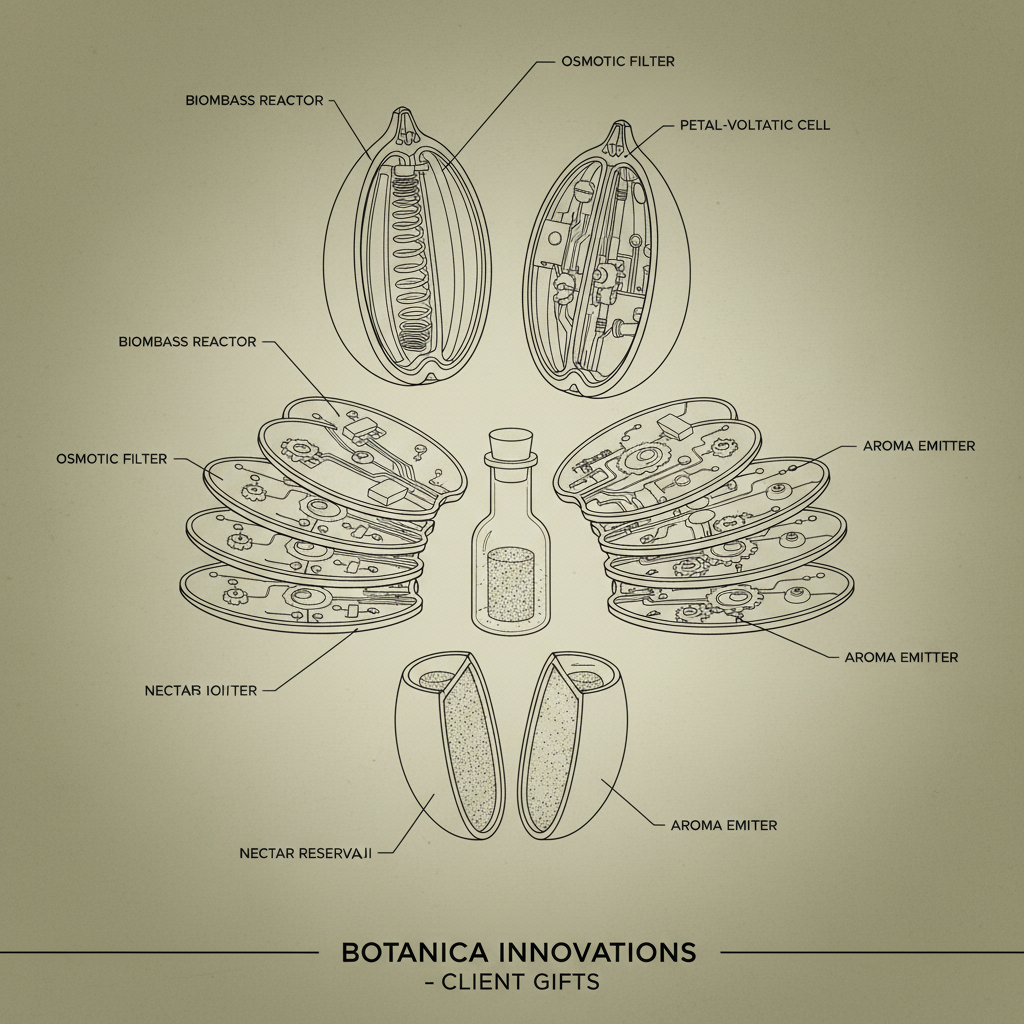
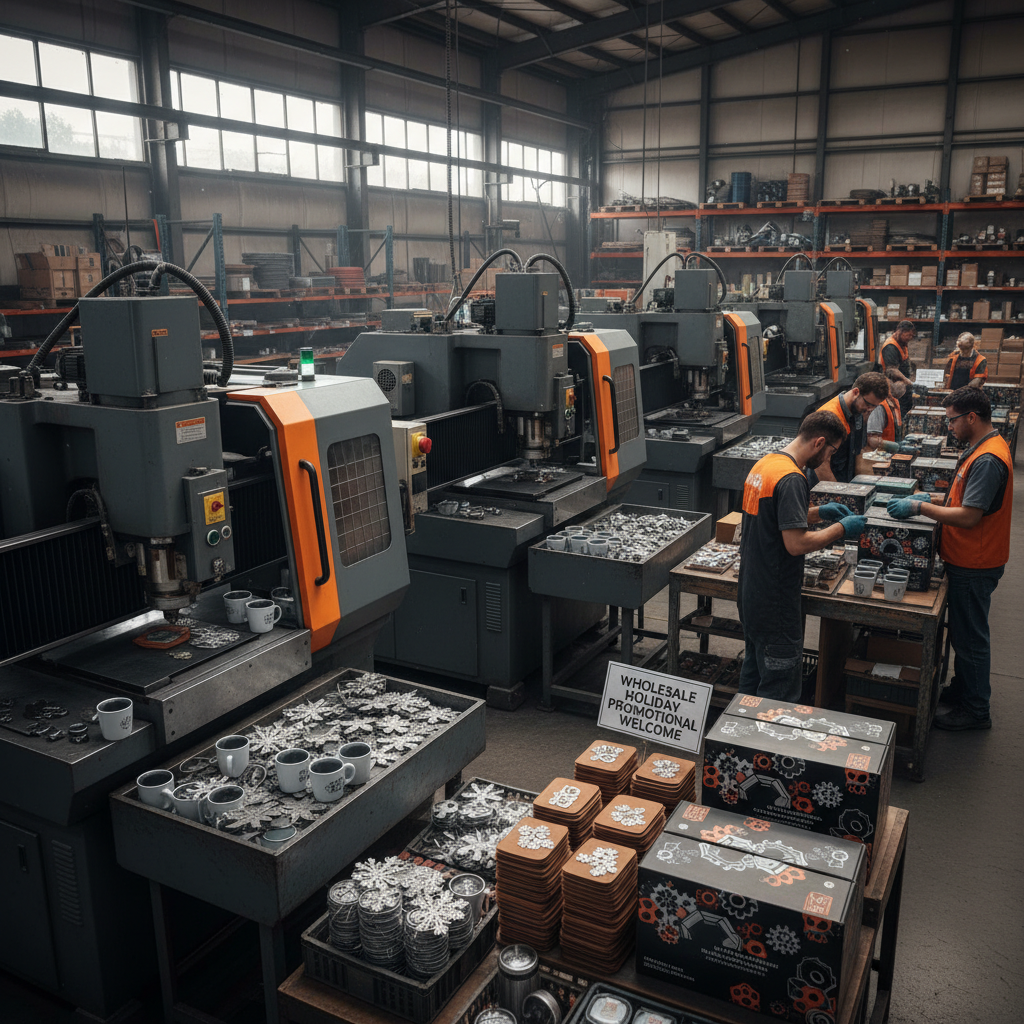
So, everyone's building in boxes now. It's not a new idea, honestly. We were doing pre-fab panels twenty years ago. But now, with labor shortages and the need to cut down on waste... it's becoming essential. Strangely, the biggest hurdle isn’t the technical side; it’s convincing the old guard that it works. They're used to brick and mortar, to things being built slowly, deliberately. Trying to explain the benefits of speed and precision... it’s a challenge.
But when it works, it really works. You see a project go up in half the time, with less disruption to the surrounding area. And the quality control is much better when you're building in a controlled factory environment. Less weather damage, fewer mistakes... it makes my job easier, anyway.
Honestly, the biggest challenge is changing people’s mindsets. A lot of folks are used to traditional building methods, and they’re skeptical of anything new. You’ve also got to deal with zoning regulations, transportation logistics, and finding skilled labor who understand modular construction. It’s not as simple as just swapping out one process for another. There's a learning curve, and you need to be prepared to invest time and resources into training and education. You'll also run into permitting issues - some municipalities just aren't equipped to handle modular projects yet.
It should shorten project timelines significantly, that's the whole point. You're building in a controlled factory environment, so you're less susceptible to weather delays and other on-site disruptions. You’re also working on multiple modules simultaneously, which speeds things up. However, you need to factor in the lead time for fabrication and transportation. Poor planning can easily negate the time savings, so careful coordination is crucial. If the site isn't prepped and ready when the modules arrive, you're stuck with a pile of expensive boxes.
Generally, yes. Modular construction generates less waste because you're building in a controlled environment and can reuse materials more easily. It also reduces the environmental impact of transportation, as you're shipping finished modules instead of raw materials. Plus, you can design modules to be energy-efficient and incorporate sustainable materials. But it's not a silver bullet. The sustainability benefits depend on the materials used, the manufacturing processes, and the transportation distances. You also need to consider the end-of-life options for the modules.
Quality control is actually better in modular construction. You’re building in a factory setting where you can implement strict quality control procedures. You can inspect every weld, every connection, every component. It's much easier to catch mistakes before they become major problems. Of course, you still need to inspect the modules on site to ensure they haven't been damaged during transportation or installation, but the initial quality control is far superior.
Absolutely. That’s one of the biggest advantages of modular construction. You’re not limited by the constraints of traditional building methods. You can design modules to be any shape or size, and you can combine them in endless configurations. We did a project for a brewery last year where they wanted a unique tasting room with a slanted roof and large windows. We were able to design and build it using modular components, and it looked fantastic. The key is to involve the modular manufacturer early in the design process so they can advise you on what’s feasible and cost-effective.
Costs vary wildly depending on the complexity of the project, the materials used, and the location. Generally, the initial investment can be higher than traditional construction, but you can often recoup those costs through reduced labor costs, faster project timelines, and lower waste. Transportation costs can also be significant, especially if you're shipping modules over long distances. It's important to get detailed quotes from multiple manufacturers and compare them carefully. Don’t just look at the price per square foot; consider the total cost of the project, including design, fabrication, transportation, and installation.
So, what does it all boil down to? Modular construction isn’t a magic bullet, but it’s a powerful tool that can help us build faster, cheaper, and more sustainably. It requires careful planning, skilled labor, and a willingness to embrace new technologies. It's about finding the right balance between innovation and practicality.
Ultimately, whether this thing works or not, the worker will know the moment he tightens the screw. If it fits, if it feels solid, if it's easy to work with… that’s when you know it’s a good design. And that’s what matters most.